Resources for VA Science SOL 6.1

Select a tab below to explore resources focused on Scientific and Engineering Practices.

These bell ringers are designed to spark thinking and discussion and can be displayed on a shared screen for the whole class or shared with students on their own devices. They are often used at the start of class but can be used at any point in a lesson.

Earth Science
Investigations
Earth Science Investigations
Concepts

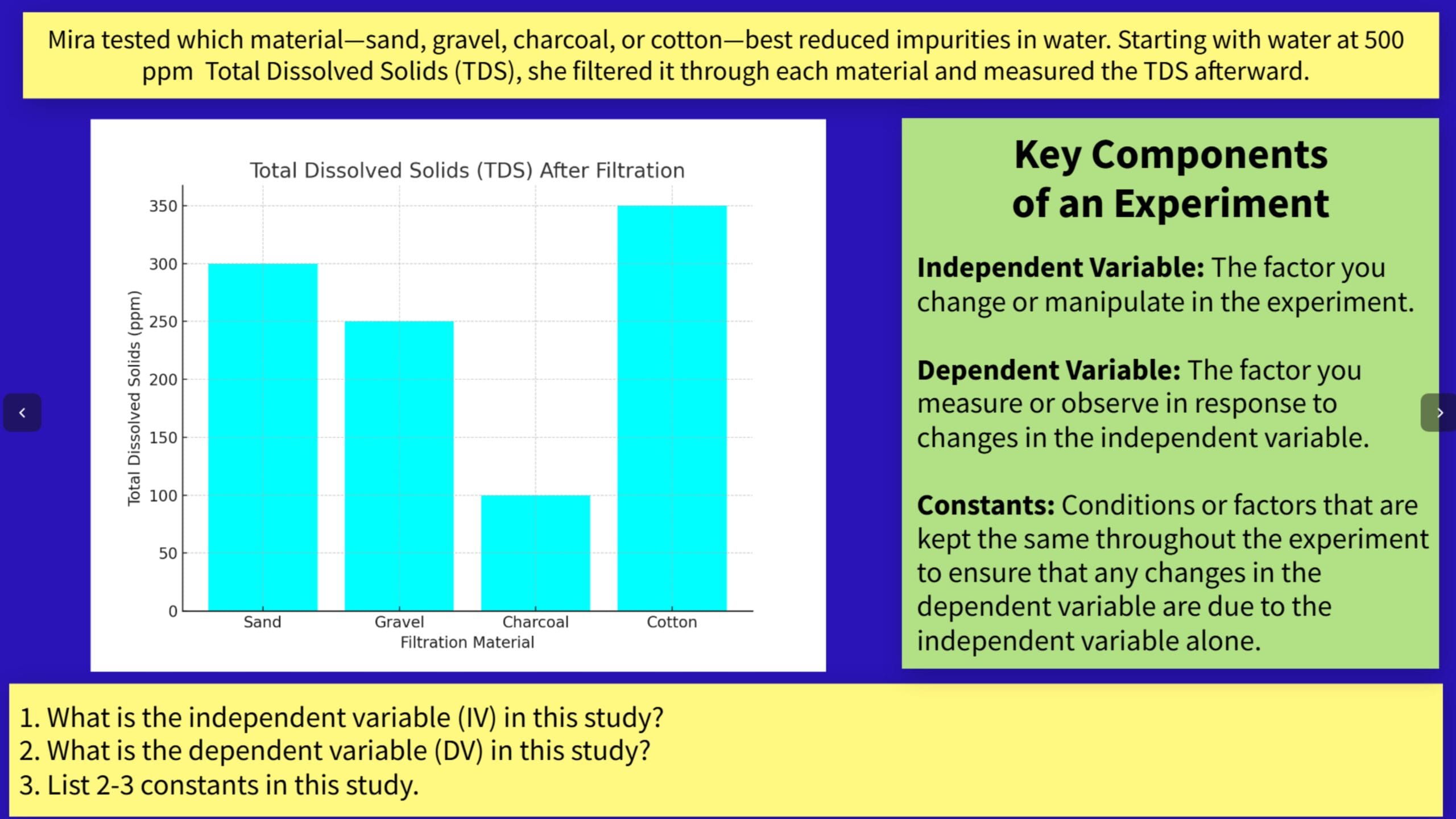
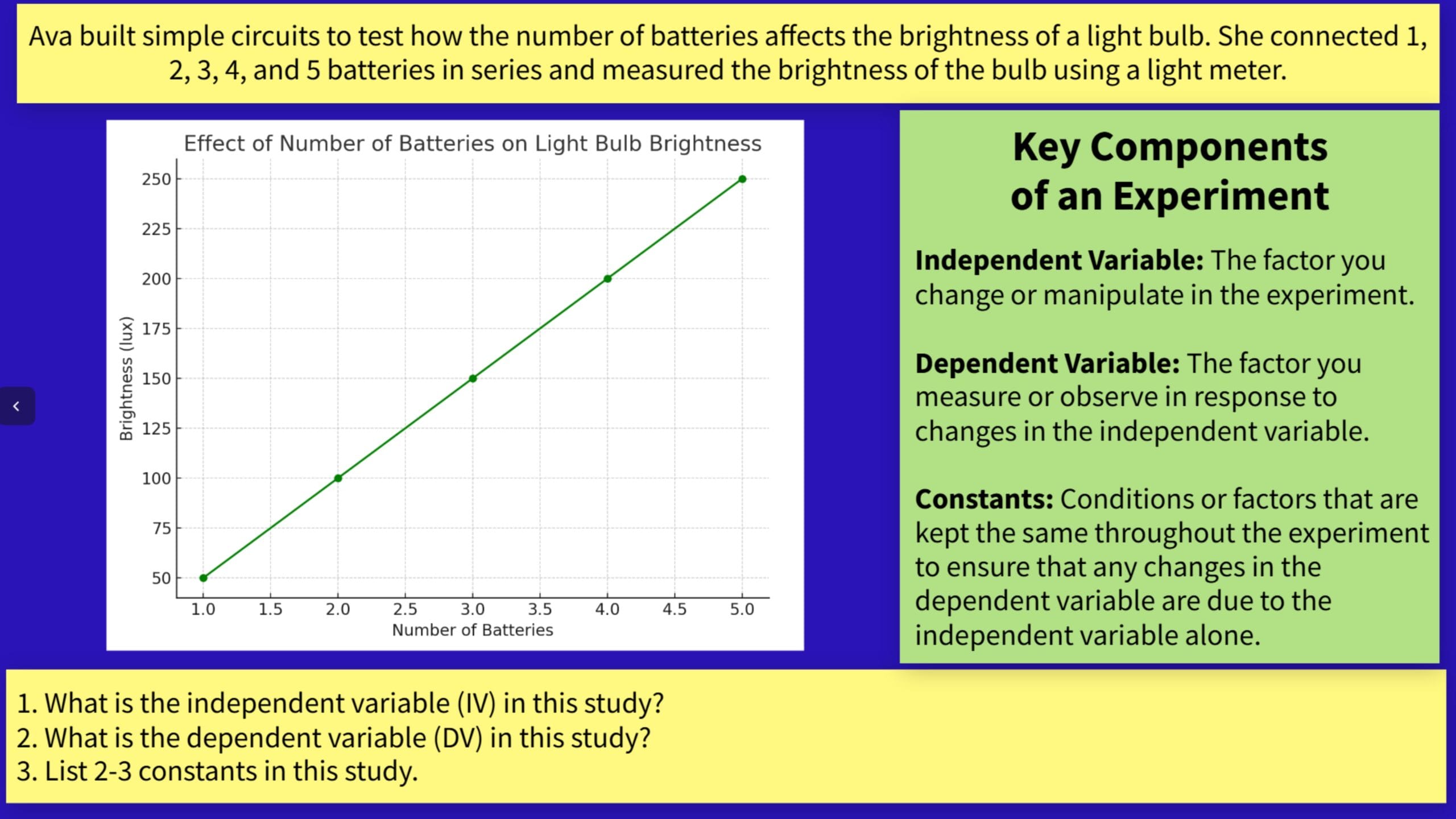
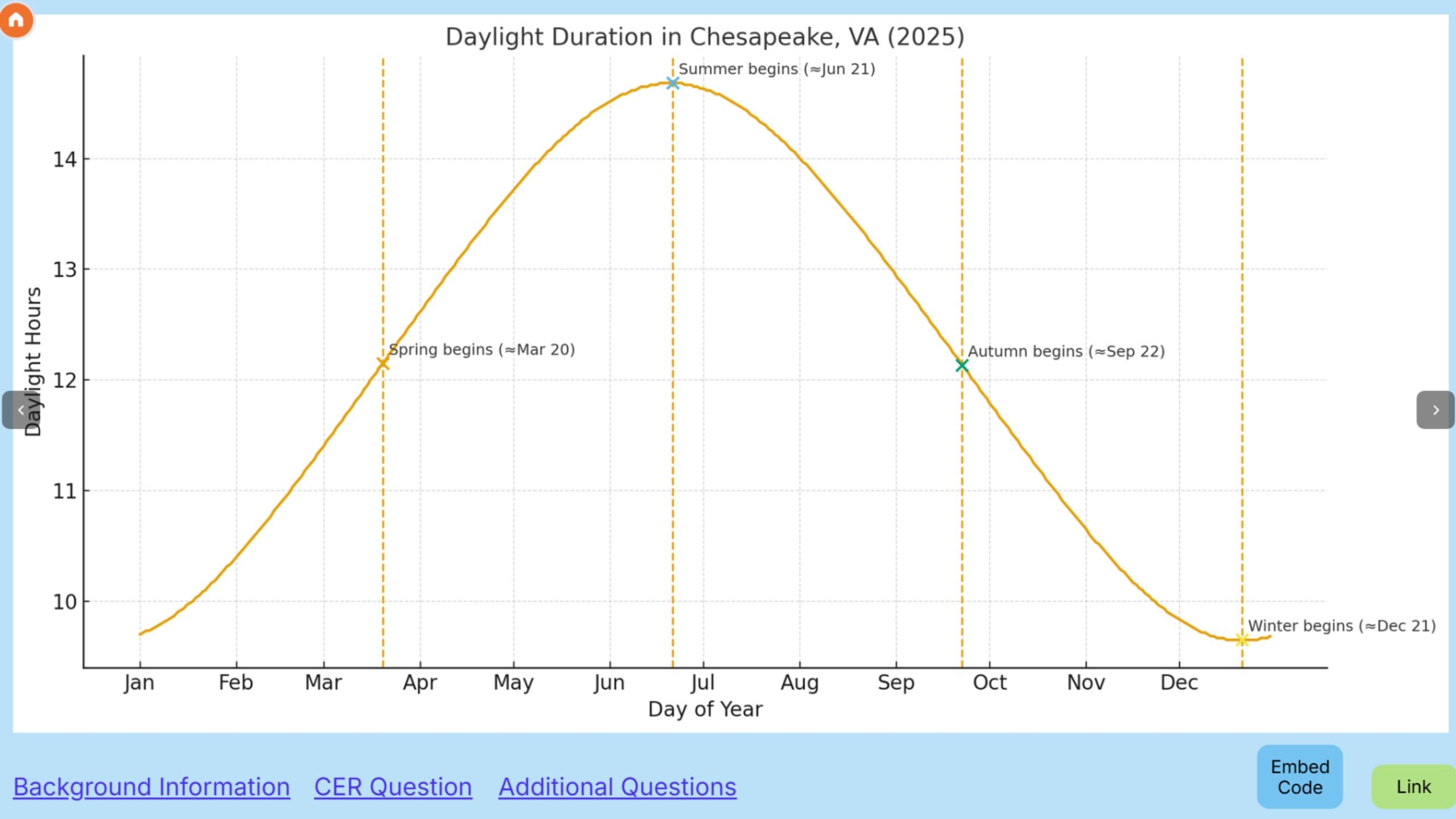
These Earth Science Investigation bell ringer activities give students practice analyzing graphs from scientific investigations, identifying the independent variable, dependent variable, and constants, and using Claim, Evidence, and Reasoning (CER) to answer questions based on evidence presented in the graph.


Life Science
Investigations
Concepts

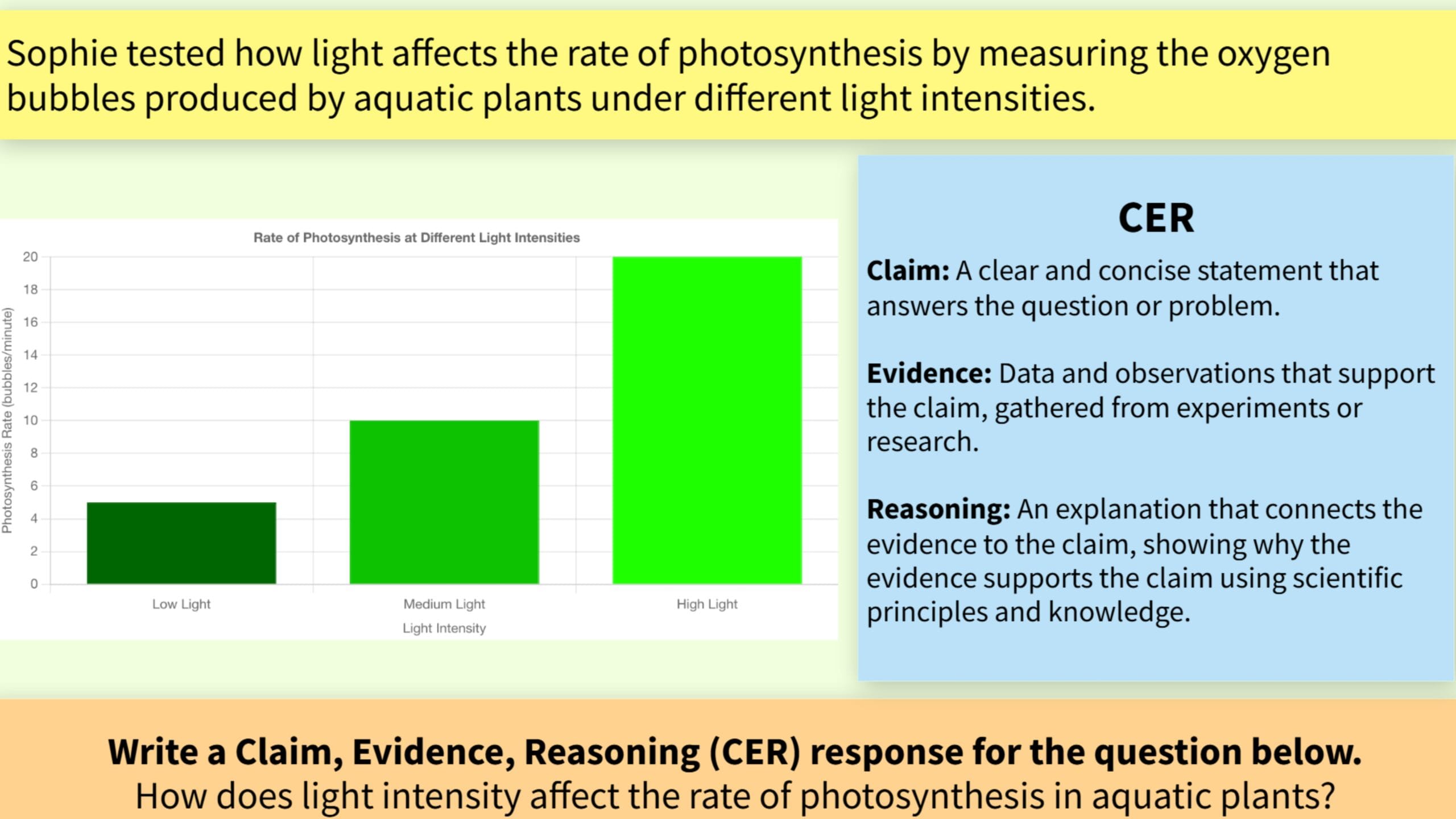
These Life Science Investigation bell ringer activities give students practice analyzing graphs from scientific investigations, identifying the independent variable, dependent variable, and constants, and using Claim, Evidence, and Reasoning (CER) to answer questions based on evidence presented in the graph.


Physical Science
Investigations
Concepts

These Physical Science Investigation bell ringer activities give students practice analyzing graphs from scientific investigations, identifying the independent variable, dependent variable, and constants, and using Claim, Evidence, and Reasoning (CER) to answer questions based on evidence presented in the graph.


Science Graph
of the Week
Concepts

Graph of the Week activities give students regular practice interpreting real scientific data across a variety of science topics. Students analyze graphs to identify patterns and trends, determine variables, and use Claim, Evidence, and Reasoning (CER) to answer questions based on the data. These graphs can be used as quick bell ringers, discussion starters, or CER practice aligned to current science units.


These step-by-step interactive activities guide students through key science concepts at their own pace, using engaging visuals and prompts to build understanding, with most ending in a final screen students can screenshot as evidence of completion.

Virtual
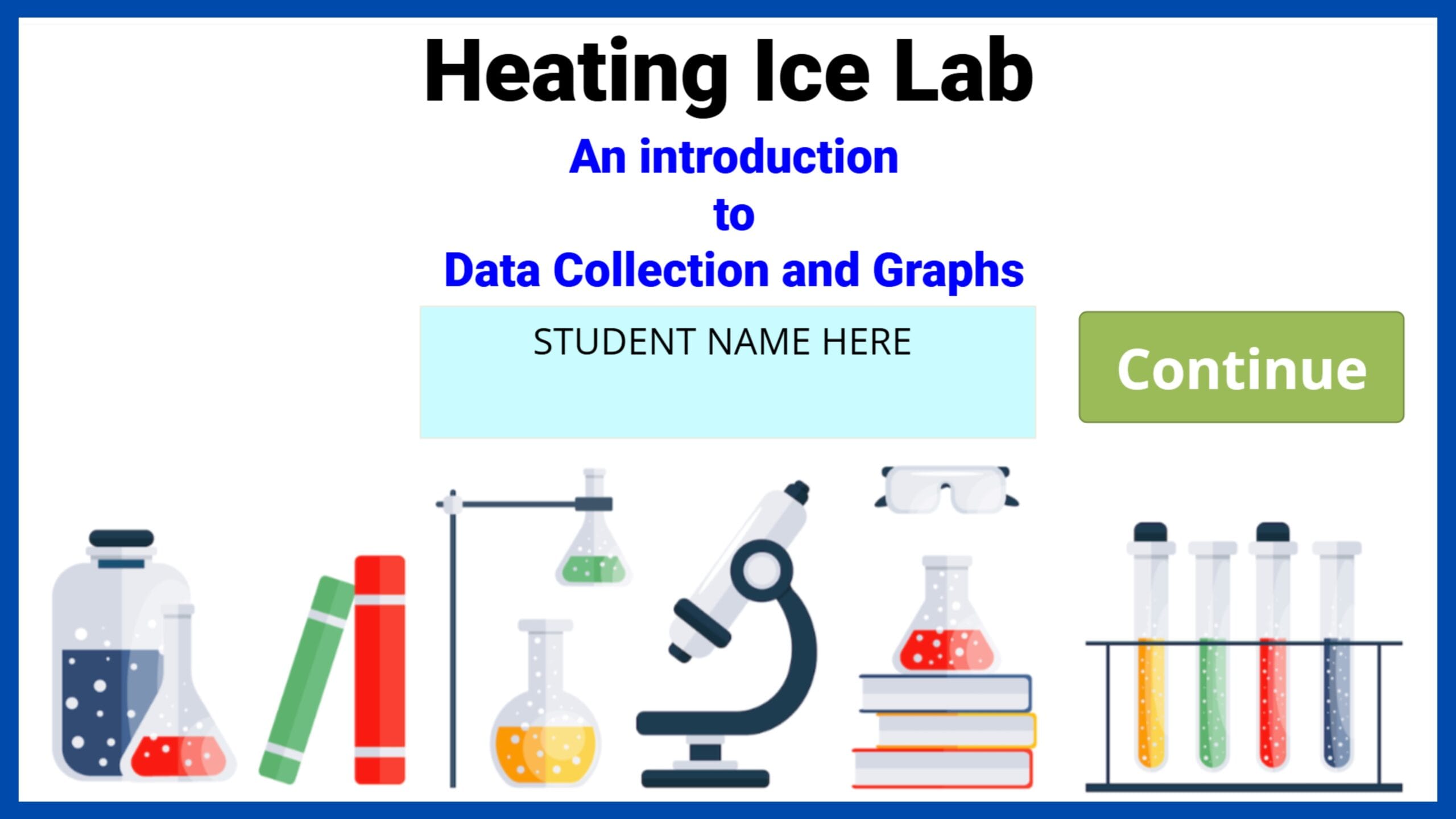
Heating Ice Lab
Concepts

Measure, record, and graph the temperature of ice as it changes over time, then analyze the data to identify variables, recognize patterns, and interpret how energy transfer relates to states of matter and phase changes such as melting and boiling.

Features

Screenshot Signature Page: Users can screenshot their name on the final page for proof of completion.

Design an
Experiment
Design an Experiment
Concepts

Students design an experiment that tests people’s ability to complete tasks (math problems, mazes, memory game) under different circumstances.

Features

This interactive includes several opportunities for students to screenshot their work.

Additional Resources
Design an Experiment
Teacher Presentation
Design an Experiment Teacher Presentation
Concepts

Teachers lead the class through the process of designing an experiment that tests how distractions affect people’s ability to complete a memory game.

Features

This interactive includes several opportunities for students to screenshot their work.
Additional Resources

These simulations allow students to explore scientific concepts by manipulating variables, observing outcomes, and collecting data, either as a teacher-led demonstration or through direct student interaction on individual devices.

Sunflower Growth
Simulation
Concepts

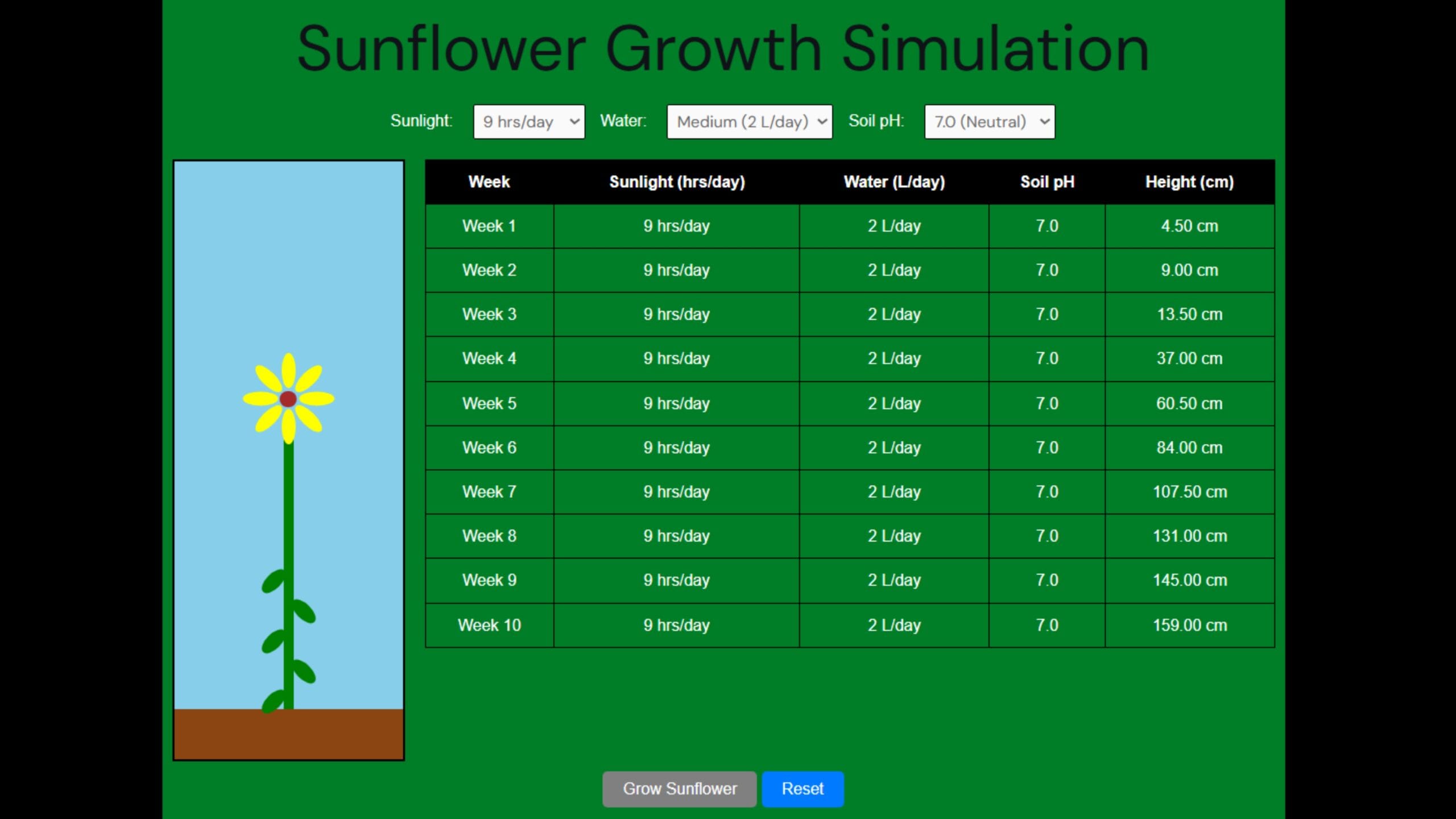
Use a simulation to practice designing and carrying out a science investigation by changing one variable at a time to explore how sunlight, water, or soil pH affects the growth of a sunflower plant.


Ball Bounce Height
Simulation
Ball Bounce Simulation
Concepts

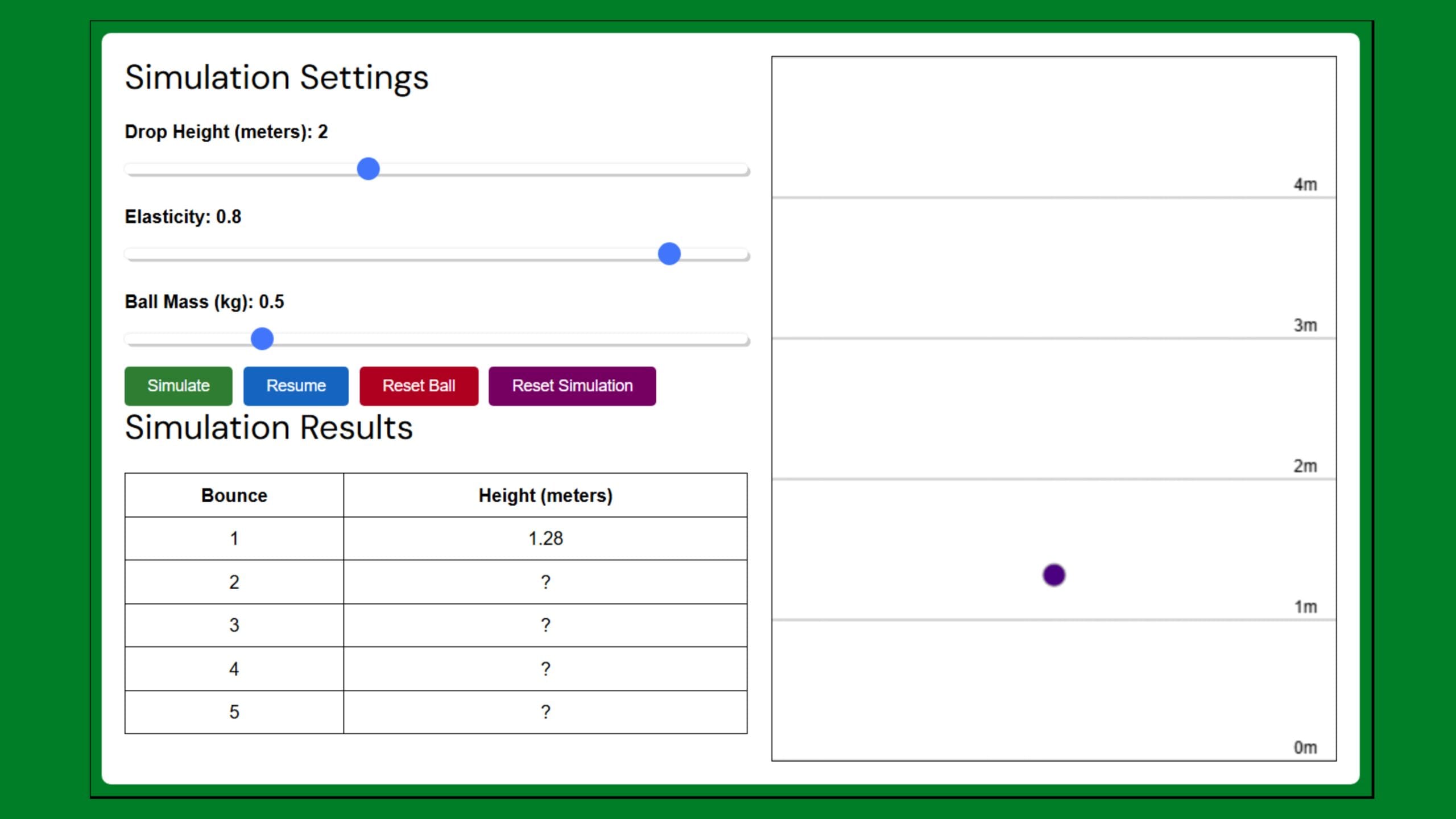
Students change drop height, elasticity, and mass to observe how each variable affects bounce height, then collect and analyze data across multiple bounces.


Heat Transfer
Simulation
Heat Transfer Simulation
Concepts

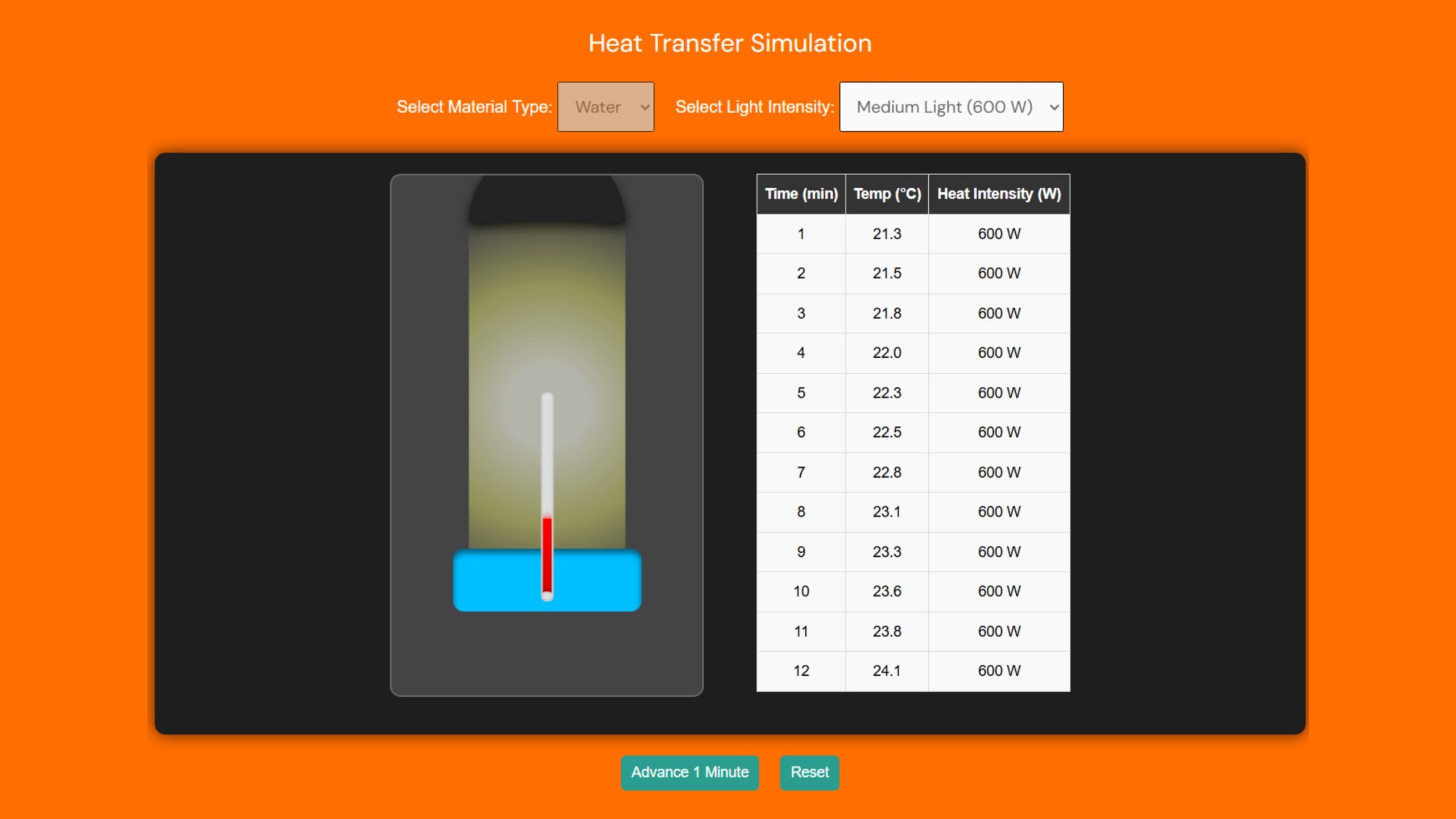
This simulation supports the science and engineering practices for conducting investigations by allowing students to identify variables, control conditions, collect and record data, and analyze results. Students systematically change the independent variable (material type or light intensity), measure temperature over time, record data in a table, and use the evidence to identify patterns, relationships, and cause-and-effect connections related to heat transfer.

These mini-challenges check for understanding by providing immediate feedback. Students may retry as many times as needed.  Completing the challenge unlocks a fun science joke that is often screenshotted and shared with the teacher for credit.

Scientific Investigations
Crossword
Scientific Investigations Crossword
Concepts

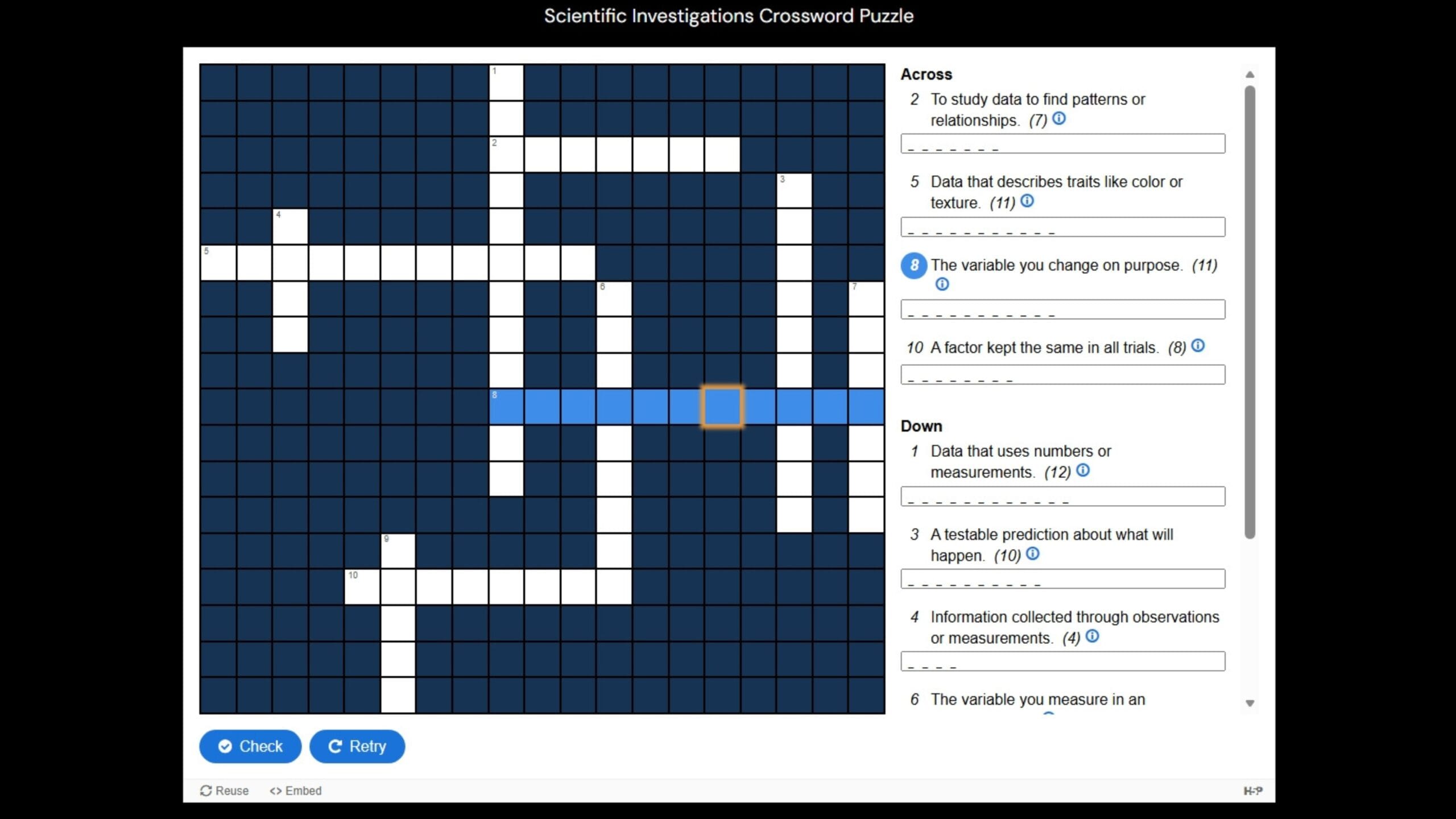
Students complete an interactive crossword puzzle that reviews key scientific investigation vocabulary, including variables, data types, constants, and hypotheses. The challenge reinforces precise language used in experiments while encouraging students to analyze clues, connect concepts, and self-check their understanding through immediate feedback.


Nature of Science
Three Questions
Nature of Science
Concepts

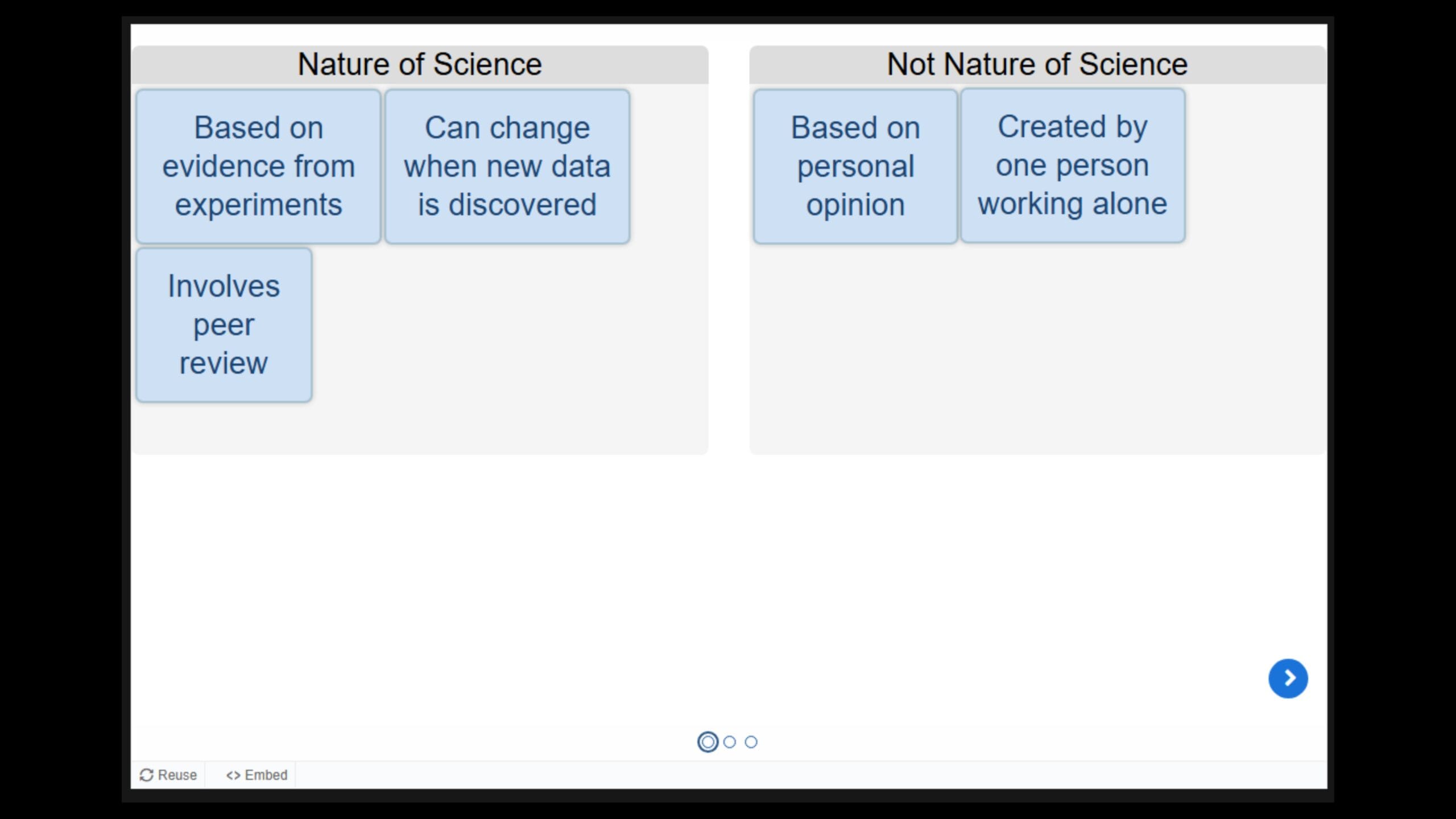
Students answer three randomly selected questions about how science works.


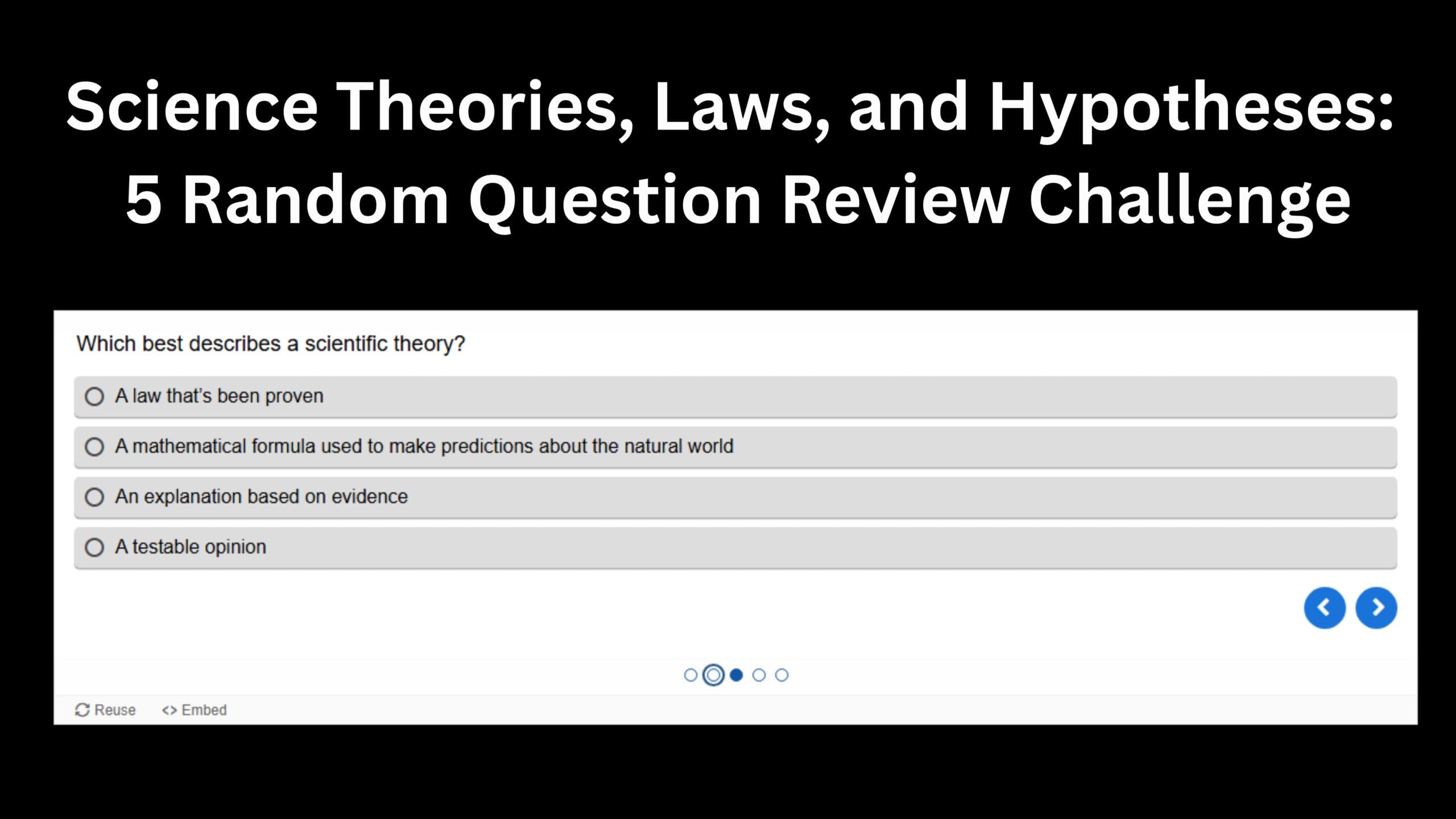
Science Theories, Laws, and Hypotheses
Science Theories, Laws, and Hypotheses 5 Random Question Review Challenge
Concepts

Students answer five randomly selected questions to review the differences between scientific theories, laws, and hypotheses in a quick, engaging challenge.


Identifying Variables in
a Bean Sprout Experiment
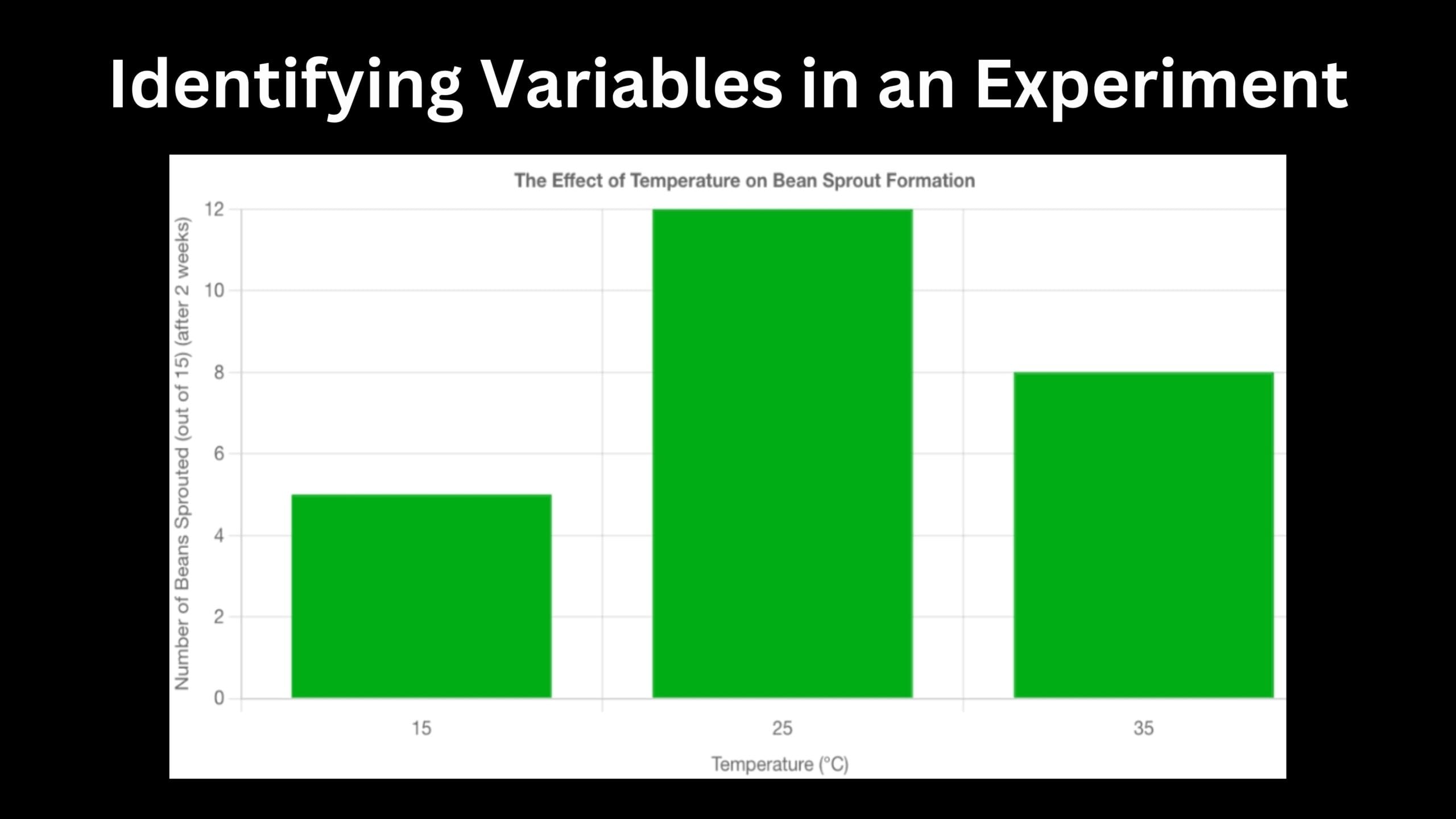
Variables in a Bean Sprout Experiment
Concepts

Students answer three questions about identifying independent, dependent, and controlled variables in a bean sprout experiment to unlock a fun science joke at the end.


Photosynthesis
Experiment Variables
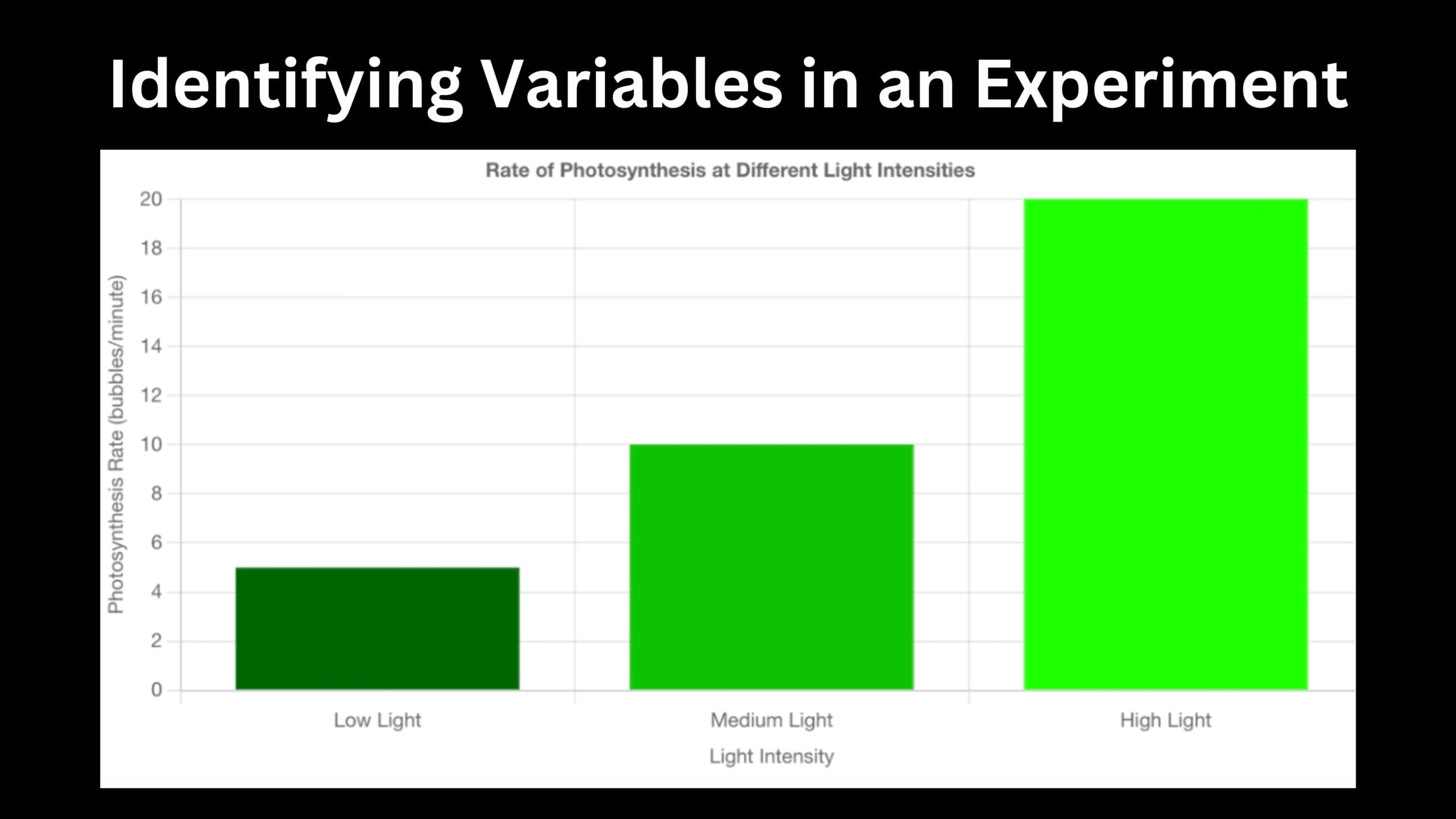
Variables in a Photosynthesis Experiment
Concepts

Students answer three questions about identifying independent, dependent, and controlled variables in a photosynthesis experiment to unlock a fun science joke at the end.


Identifying Variables in
a Osmosis Experiment
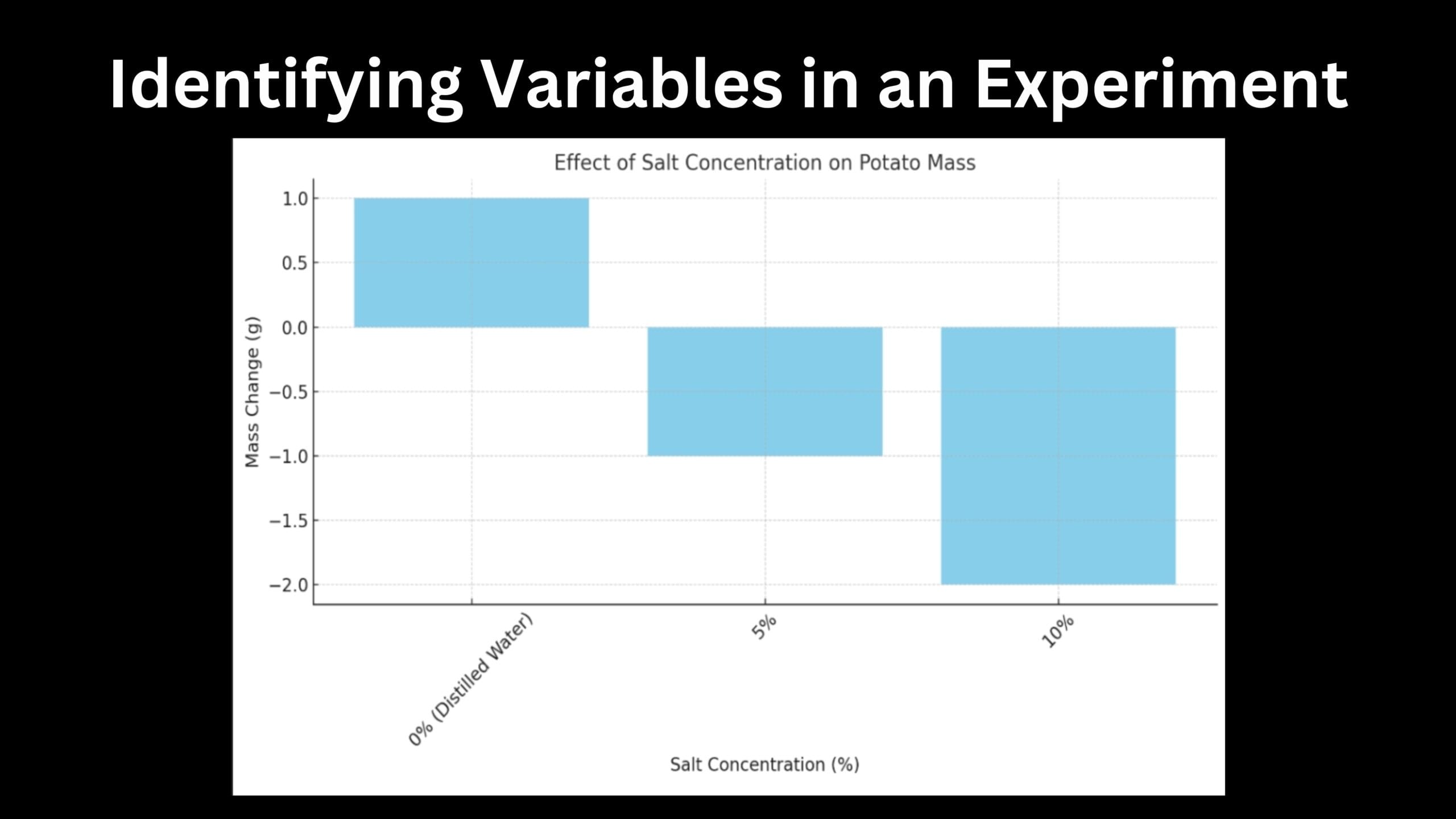
Variables in an Osmosis Experiment
Concepts

Students answer three questions about identifying independent, dependent, and controlled variables in an osmosis experiment to unlock a fun science joke at the end.


These whole-class activities are designed to be led by the teacher on a shared screen for class discussion and instruction; depending on the activity, students may also participate directly on their own devices through structured components .

Scientific Questions
Presentation
Scientific Questions Presentation
Concepts

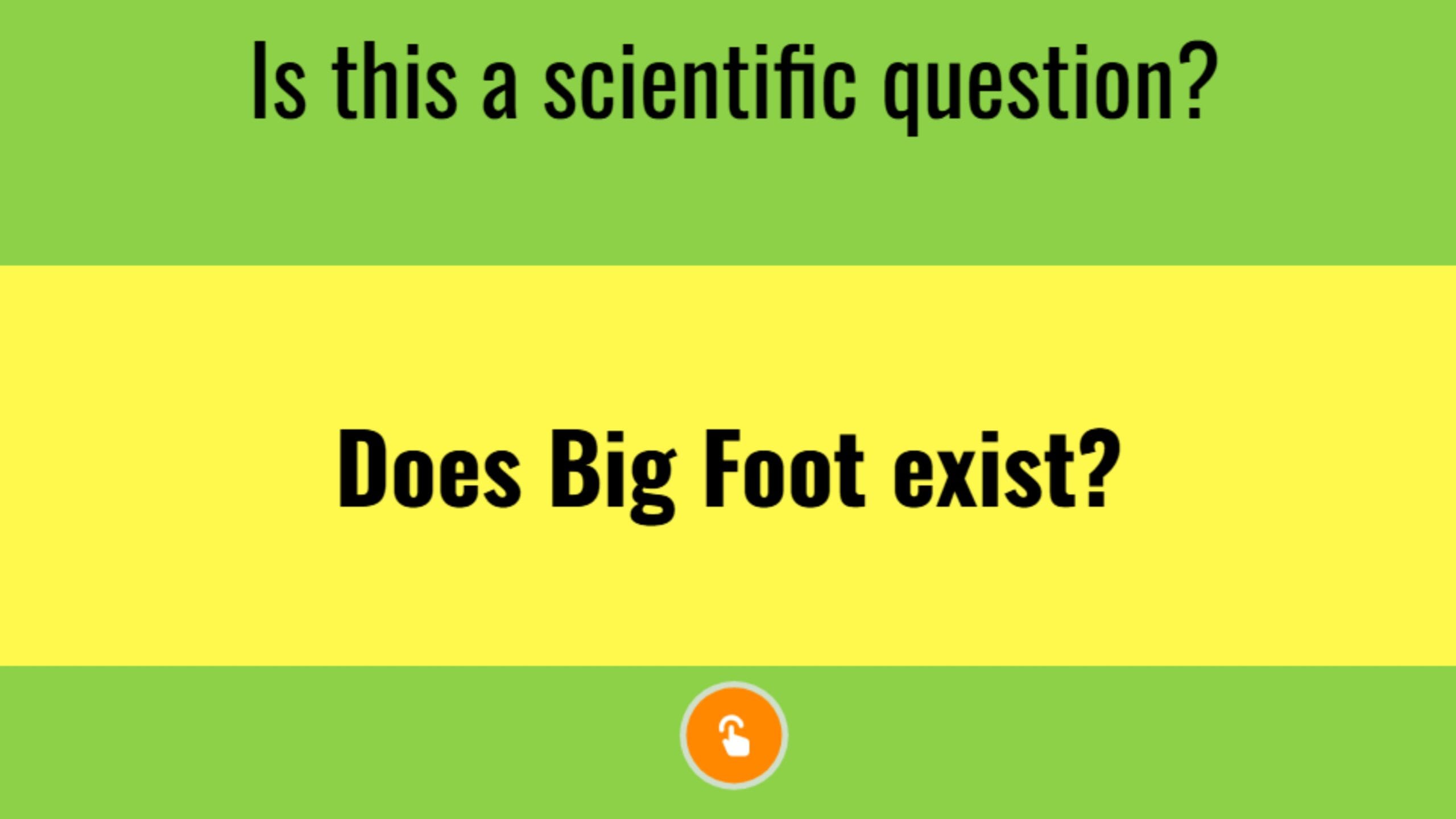
This quick classroom activity introduces science as a way to investigate and explain the world, while helping students practice identifying which questions can be answered through scientific inquiry.


Design an Experiment
Teacher Presentation
Design an Experiment Teacher Presentation
Concepts

Teachers lead the class through the process of designing an experiment that tests how distractions affect people’s ability to complete a memory game.

Features

This interactive includes several opportunities for students to screenshot their work.
Additional Resources
Experimental Variables
Category Bingo
Experimental Variables Bingo
Concepts

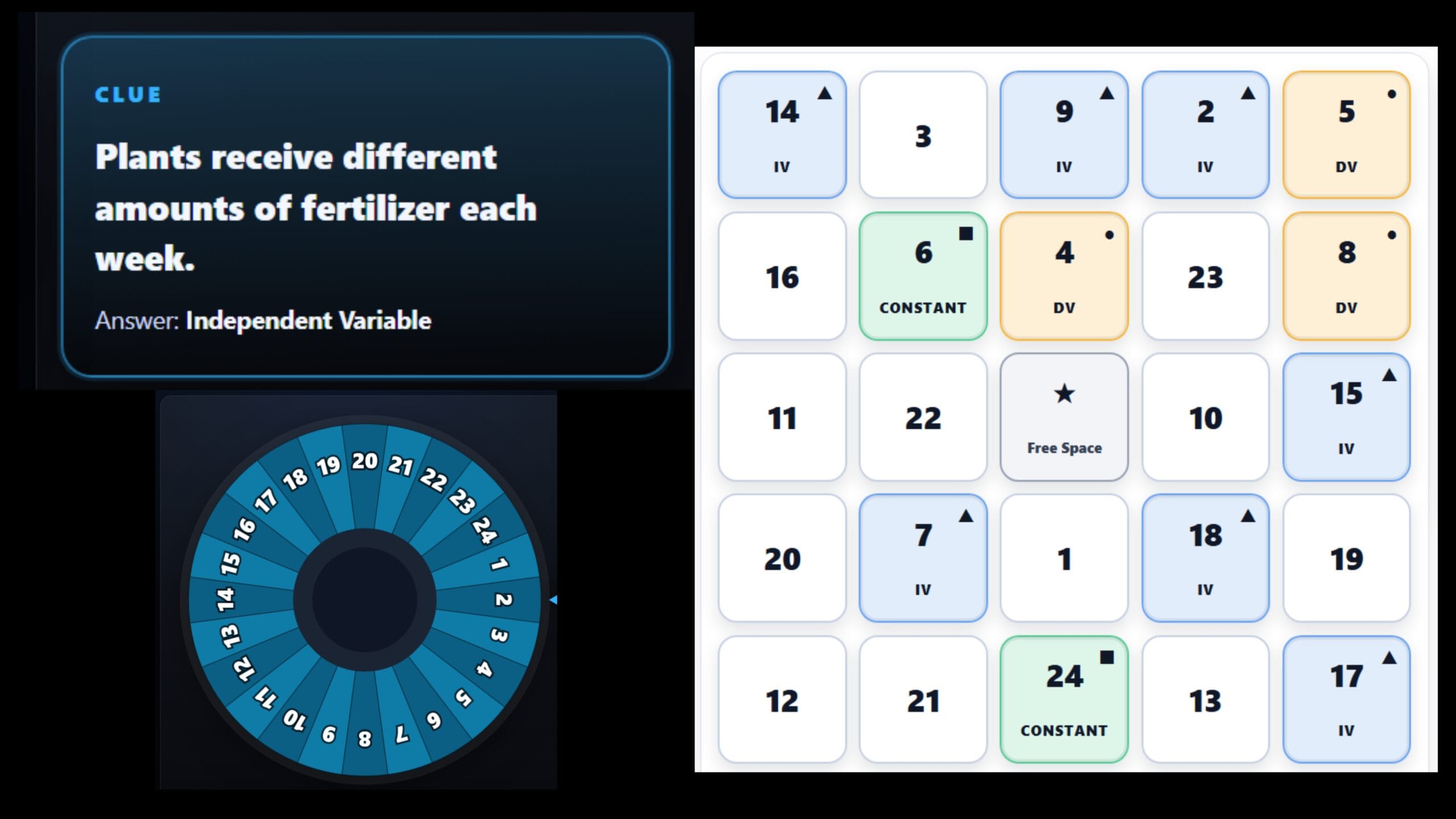
Variables Bingo is an interactive game where students analyze experimental clues to identify independent variables, dependent variables, and constants, reinforcing scientific reasoning through repeated, accessible, and engaging practice.