
How to Use This Page
Select a standard from the list below.
The section will expand to show bell ringers and any available interactives.
Click Launch to open an interactive in a new tab.
No sign-in required.
MS-LS4-1: Uncovering Earth's History Through Fossils
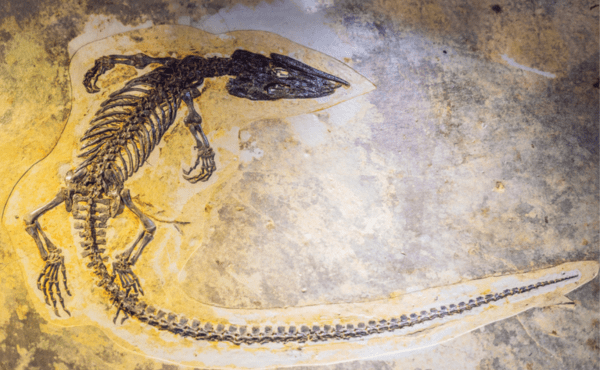
Analyze and interpret data for patterns in the fossil record that document the existence, diversity, extinction, and change of life forms throughout the history of life on Earth under the assumption that natural laws operate today as in the past.
Bell Ringers:
Biological Evolution
Observe and Wonder

This collection includes bell ringers that prompt students to observe natural phenomena and ask questions.
Bell Ringers:
Uncovering Earth's History
Through Fossils
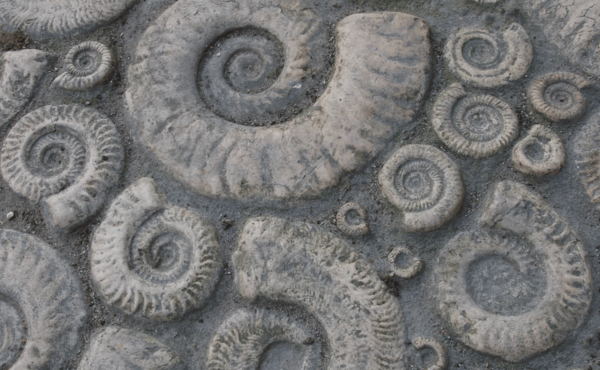
This set of bell ringers poses thought-provoking questions about what fossils can teach us about the story of life through Earth’s history. A list of common misconceptions is included to help teachers anticipate student misunderstandings.
MS-LS4-2: Using Anatomy to Explain Evolutionary Connections
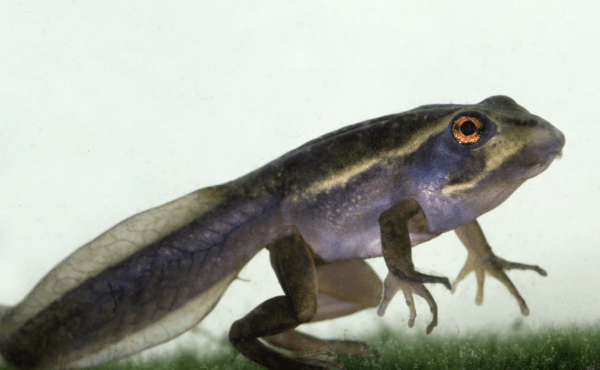
Apply scientific ideas to construct an explanation for the anatomical similarities and differences among modern organisms and between modern and fossil organisms to infer evolutionary relationships.
Bell Ringers:
Biological Evolution
Observe and Wonder

This collection includes bell ringers that prompt students to observe natural phenomena and ask questions.
Bell Ringers:
Using Anatomy to Explain Evolutionary Connections

This set of bell ringers supports MS-LS4-2 by prompting students to analyze anatomical similarities and differences among modern and fossil organisms to explore evolutionary relationships.
Additional Free Resources
- American Natural History Museum- Oology: New Tab
- AMNH Layers of Time Game: New Tab
- Flap to the Future: New Tab
- Learn Genetics- Evidence of Common Ancestry: New Tab
- Learn Genetics- Bears, Species, DNA: New Tab
- Learn Genetics- Time Scale: New Tab
- PBS- Guess the Embryo: New Tab
- Exploratorium: Which Embryo is Human?
- CK-12 Flexbook
MS-LS4-3: Comparing Embryos to Identify Evolutionary Relationships
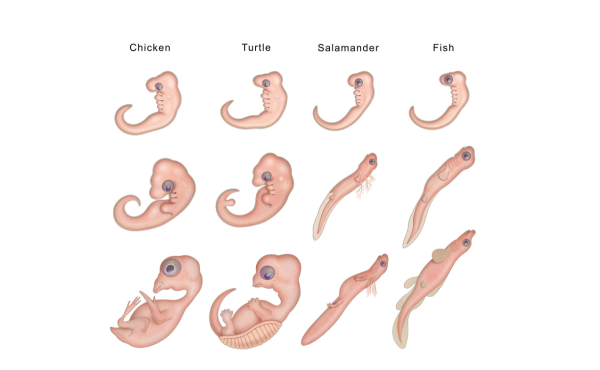
Analyze displays of pictorial data to compare patterns of similarities in the embryological development across multiple species to identify relationships not evident in the fully formed anatomy.
Bell Ringers:
Biological Evolution
Observe and Wonder

This collection includes bell ringers that prompt students to observe natural phenomena and ask questions.
Bell Ringers:
Using Anatomy to Explain Evolutionary Connections

This set of bell ringers supports MS-LS4-3 by helping students compare anatomical features across species. Embryo-based questions are included in the second half of the presentation.
Additional Free Resources
- American Natural History Museum- Oology: New Tab
- AMNH Layers of Time Game: New Tab
- Flap to the Future: New Tab
- Learn Genetics- Evidence of Common Ancestry: New Tab
- Learn Genetics- Bears, Species, DNA: New Tab
- Learn Genetics- Time Scale: New Tab
- PBS- Guess the Embryo: New Tab
- Exploratorium: Which Embryo is Human?
- CK-12 Flexbook
- Ask a Biologist- Peppered Moth Game: New Tab
- Learn Genetics- Evidence of Common Ancestry: New Tab
- The Concord Consortium: New Tab
- PBS Learning- Build a Fish: New Tab
- PBS NOVA Labs- Evolution: New Tab
- PhET- Natural Selection: New Tab
- Deep Sea Dive: New Tab
MS-LS4-4: Explaining How Genetic Variation Supports Survival and Reproduction
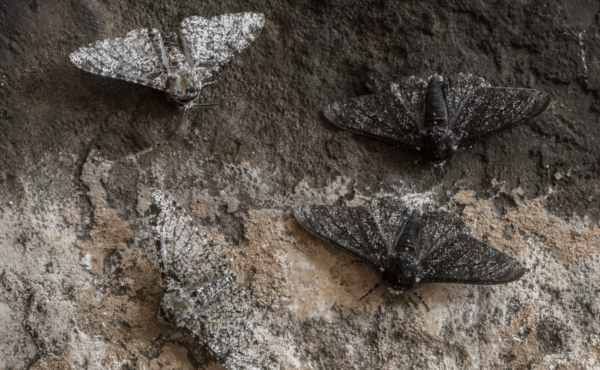
Construct an explanation based on evidence that describes how genetic variations of traits in a population increase some individuals’ probability of surviving and reproducing in a specific environment.
Bell Ringers:
Biological Evolution
Observe and Wonder

This collection includes bell ringers that prompt students to observe natural phenomena and ask questions.
Bell Ringers:
Natural
Selection

This set of bell ringers supports MS-LS4-4 by aksing questions about how genetic variations affect survival and reproduction. Real-world examples and guiding misconceptions help reinforce the role of natural selection in shaping populations.
Additional Free Resources
- American Natural History Museum- Oology: New Tab
- AMNH Layers of Time Game: New Tab
- Flap to the Future: New Tab
- Learn Genetics- Evidence of Common Ancestry: New Tab
- Learn Genetics- Bears, Species, DNA: New Tab
- Learn Genetics- Time Scale: New Tab
- PBS- Guess the Embryo: New Tab
- Exploratorium: Which Embryo is Human?
- CK-12 Flexbook
- Ask a Biologist- Peppered Moth Game
- Learn Genetics- Evidence of Common Ancestry: New Tab
- The Concord Consortium: New Tab
- PBS Learning- Build a Fish: New Tab
- PBS NOVA Labs- Evolution: New Tab
- PhET- Natural Selection: New Tab
- Deep Sea Dive: New Tab
MS-LS4-5: How Technology Has Changed the Way Humans Influence Traits
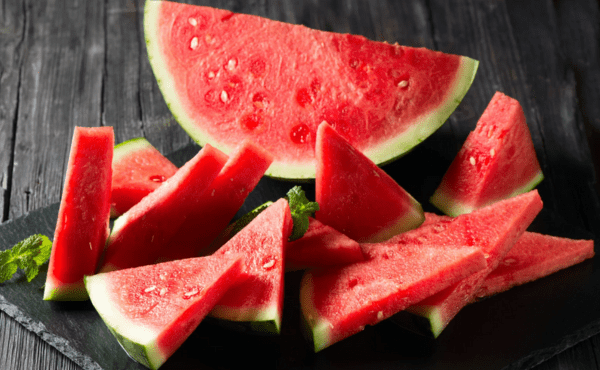
Gather and synthesize information about the technologies that have changed the way humans influence the inheritance of desired traits in organisms.
Bell Ringers:
Biological Evolution
Observe and Wonder

This collection includes bell ringers that prompt students to observe natural phenomena and ask questions.
Bell Ringers:
Artificial
Selection

This set of bell ringers supports MS-LS4-5 by asking students questions about how humans influence the inheritance of traits through artificial selection. Real-world examples and common misconceptions help clarify how this process differs from natural selection and its impacts on organisms.
Additional Free Resources
- American Natural History Museum- Oology: New Tab
- AMNH Layers of Time Game: New Tab
- Flap to the Future: New Tab
- Learn Genetics- Evidence of Common Ancestry: New Tab
- Learn Genetics- Bears, Species, DNA: New Tab
- Learn Genetics- Time Scale: New Tab
- PBS- Guess the Embryo: New Tab
- Exploratorium: Which Embryo is Human?
- CK-12 Flexbook
- Ask a Biologist- Peppered Moth Game
- Learn Genetics- Evidence of Common Ancestry: New Tab
- The Concord Consortium: New Tab
- PBS Learning- Build a Fish: New Tab
- PBS NOVA Labs- Evolution: New Tab
- PhET- Natural Selection: New Tab
- Deep Sea Dive: New Tab
MS-LS4-6: Using Math to Explain How Traits Change in Populations Over Time
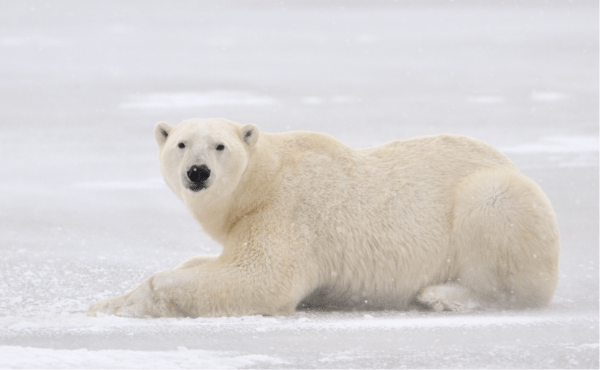
Use mathematical representations to support explanations of how natural selection may lead to increases and decreases of specific traits in populations over time.
Bell Ringers:
Biological Evolution
Observe and Wonder

This collection includes bell ringers that prompt students to observe natural phenomena and ask questions.
Bell Ringers:
Changes in Populations
Over Time

This set of bell ringers supports MS-LS4-6 by providing students with several with questions about species that have adapted traits over time.
Bell Ringers:
Biological Evolution
Observe and Wonder

This collection includes bell ringers that prompt students to observe natural phenomena and ask questions.
Bell Ringers:
Changes in Populations
Over Time

This set of bell ringers supports MS-LS4-6 by providing students with several with questions about species that have adapted traits over time.
Additional Free Resources
- American Natural History Museum- Oology: New Tab
- AMNH Layers of Time Game: New Tab
- Flap to the Future: New Tab
- Learn Genetics- Evidence of Common Ancestry: New Tab
- Learn Genetics- Bears, Species, DNA: New Tab
- Learn Genetics- Time Scale: New Tab
- PBS- Guess the Embryo: New Tab
- Exploratorium: Which Embryo is Human?
- CK-12 Flexbook
- Ask a Biologist- Peppered Moth Game
- Learn Genetics- Evidence of Common Ancestry: New Tab
- The Concord Consortium: New Tab
- PBS Learning- Build a Fish: New Tab
- PBS NOVA Labs- Evolution: New Tab
- PhET- Natural Selection: New Tab
- Deep Sea Dive: New Tab