NGSS MS-PS4

Waves

MS-PS4-1: Use mathematical representations to describe a simple model for waves that includes how the amplitude of a wave is related to the energy in a wave.

Bell Ringers
Waves Phenomena and Questions
Waves Bell Ringers
Concepts

These bell ringer presentations include dozens of real-world phenomena that connect directly to key waves concepts.

  • Observe and Wonder
  • Properties of Waves
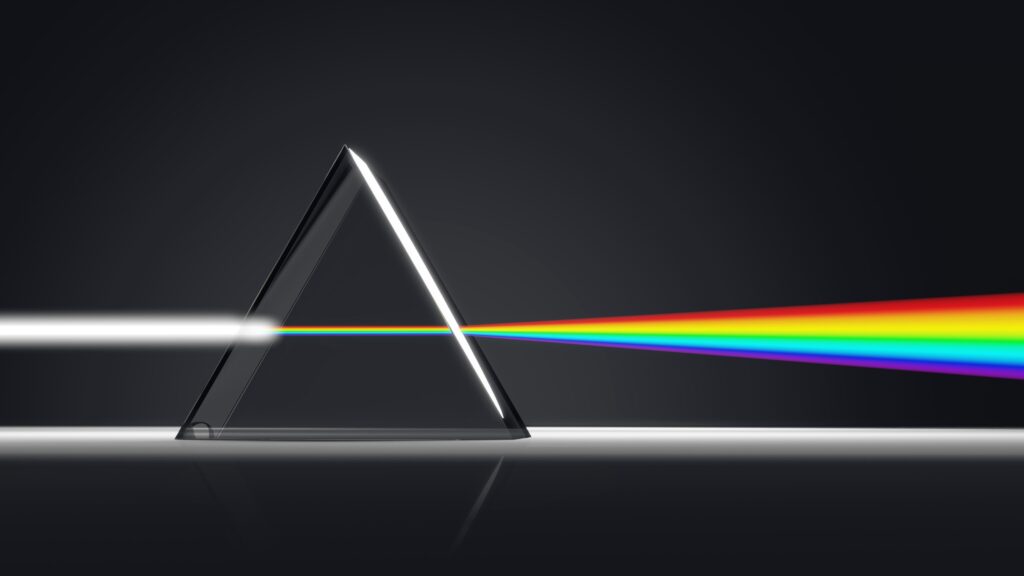
  • Light Waves
Simulation
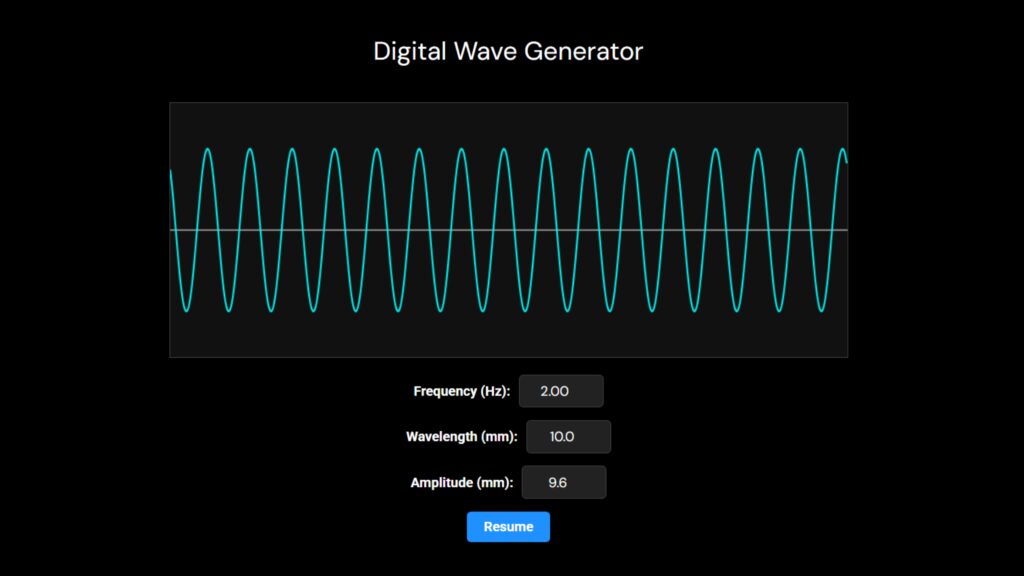
Digital Wave
Generator
Concepts

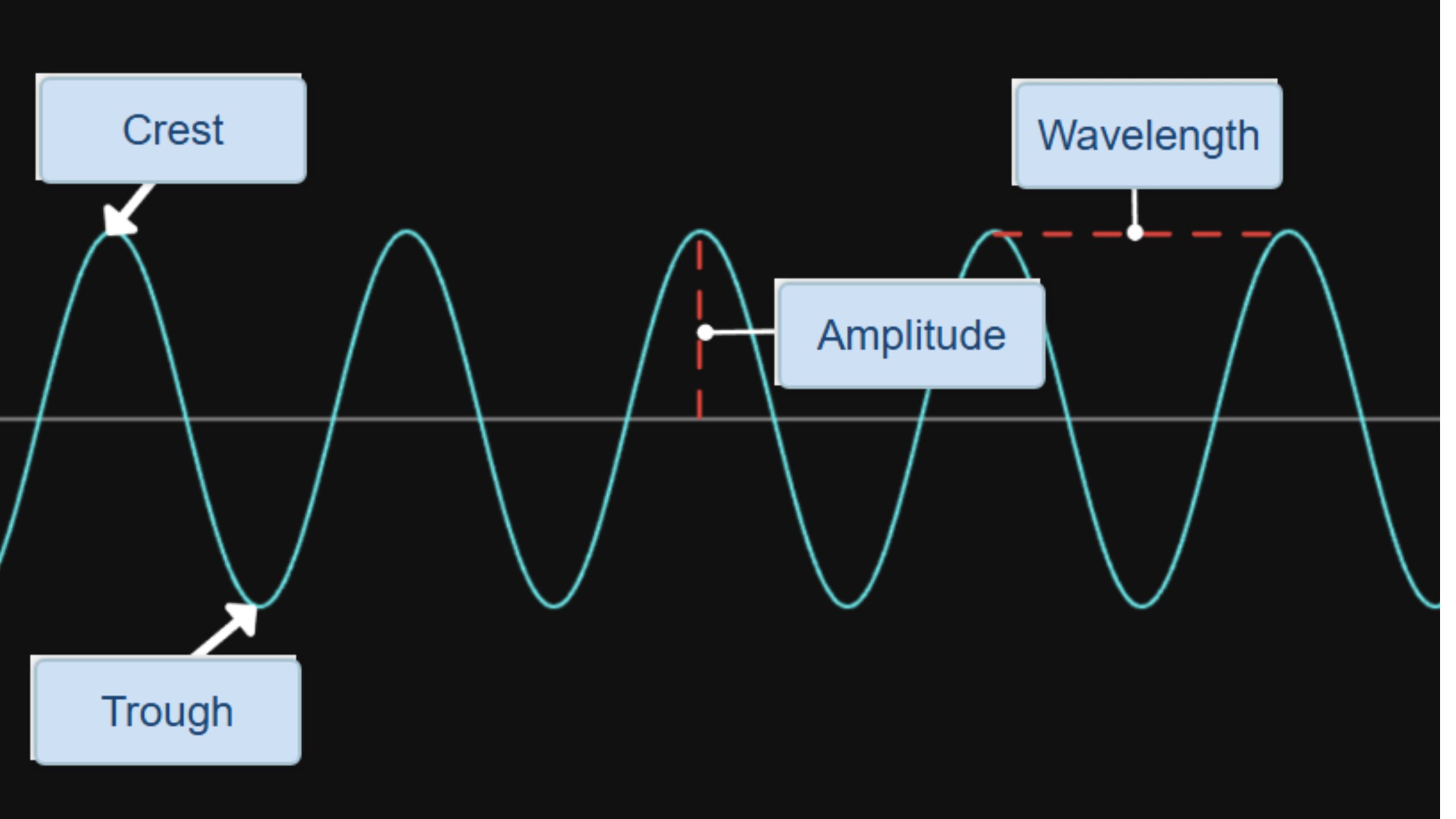
Explore how frequency, wavelength, and amplitude impact the wave.

Simulation
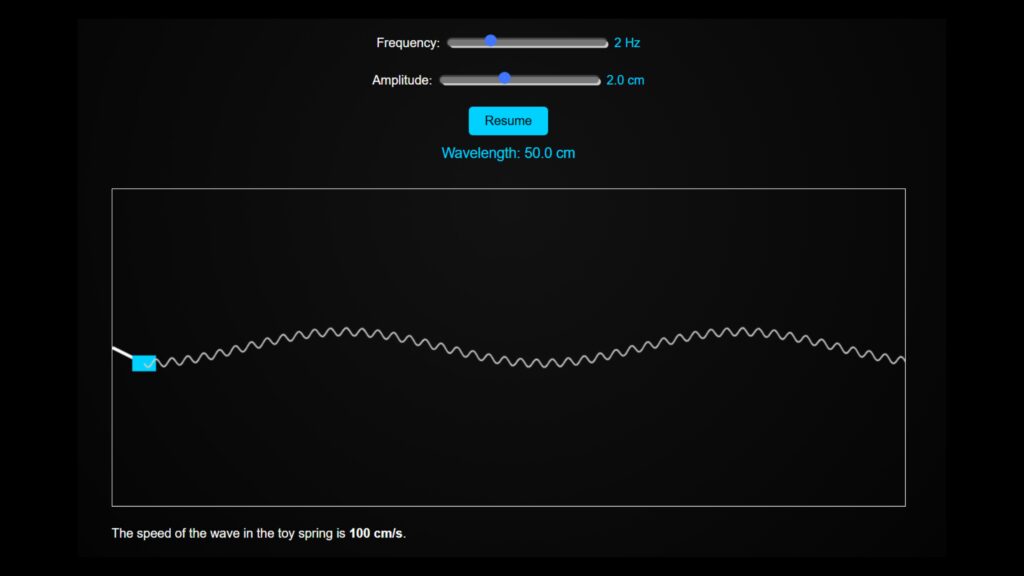
Transverse Wave
in a Spring
Transverse Wave in Spring
Concepts

Explore how changing the frequency and amplitude impact the transverse wave in the spring.

Simulation
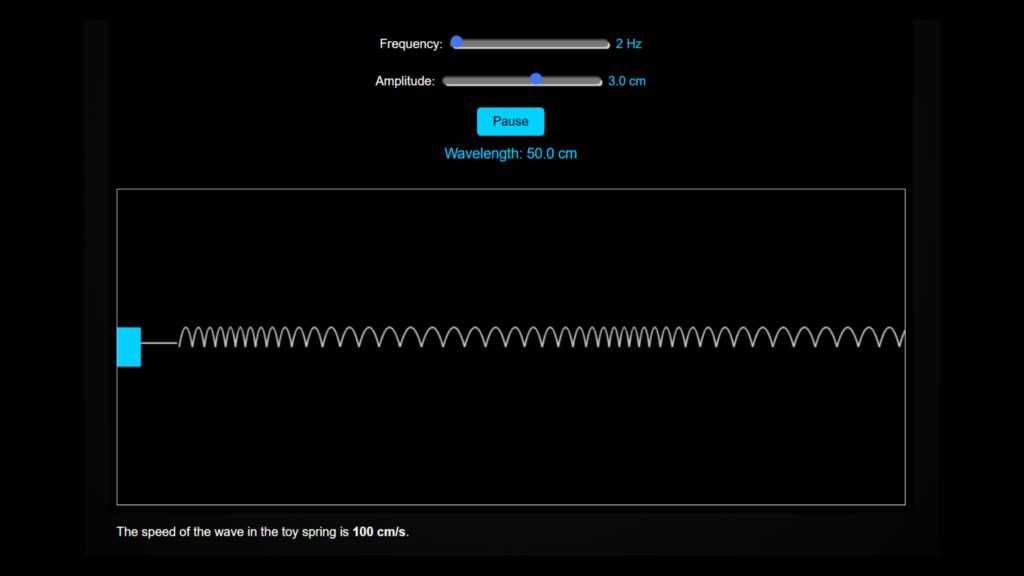
Longitudinal Wave
in a Spring
Longitudinal Wave in Spring
Concepts

Explore how changing the frequency and amplitude impact the longitudinal wave in the spring.

Simulation
Harp Sound Waves
with CER
Harp Simulation
Concepts

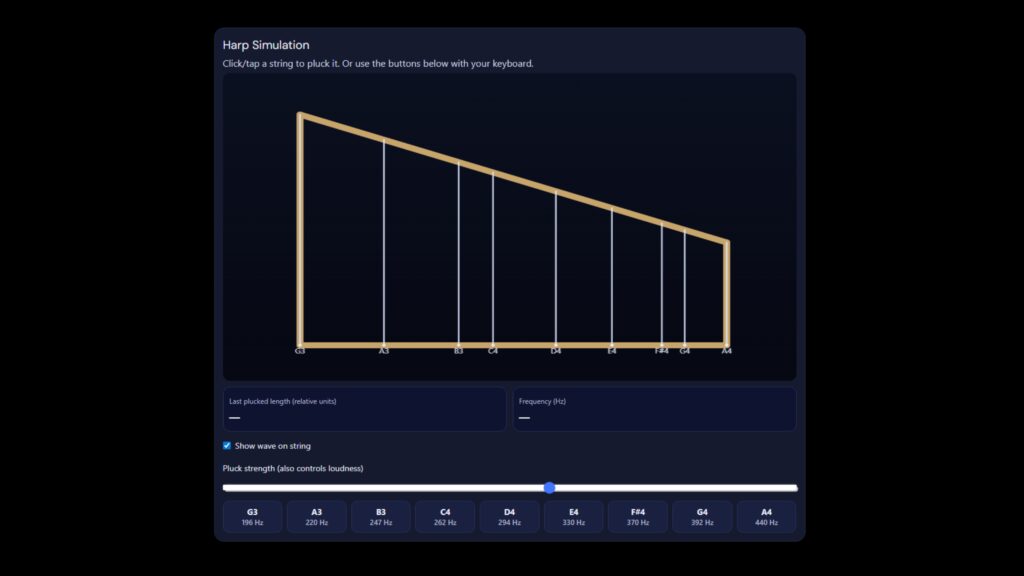
Pluck the harp strings of different lengths to gather evidence for the CER question: How does string length affect the pitch (frequency) of the sound produced?

Simulation
Digital
Signals
Binary Code Simulation
Concepts

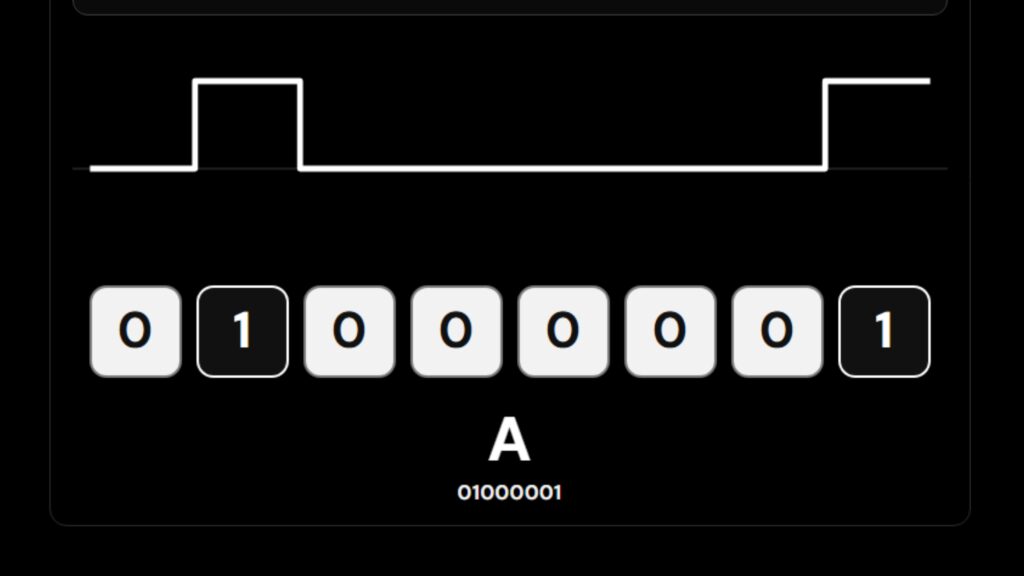
This simulation lets you switch 0s and 1s in an 8-bit code. As the code changes, the digital wave updates above and the symbol the code represents appears below.

Interactive
Waves
Review
Waves Review
Concepts

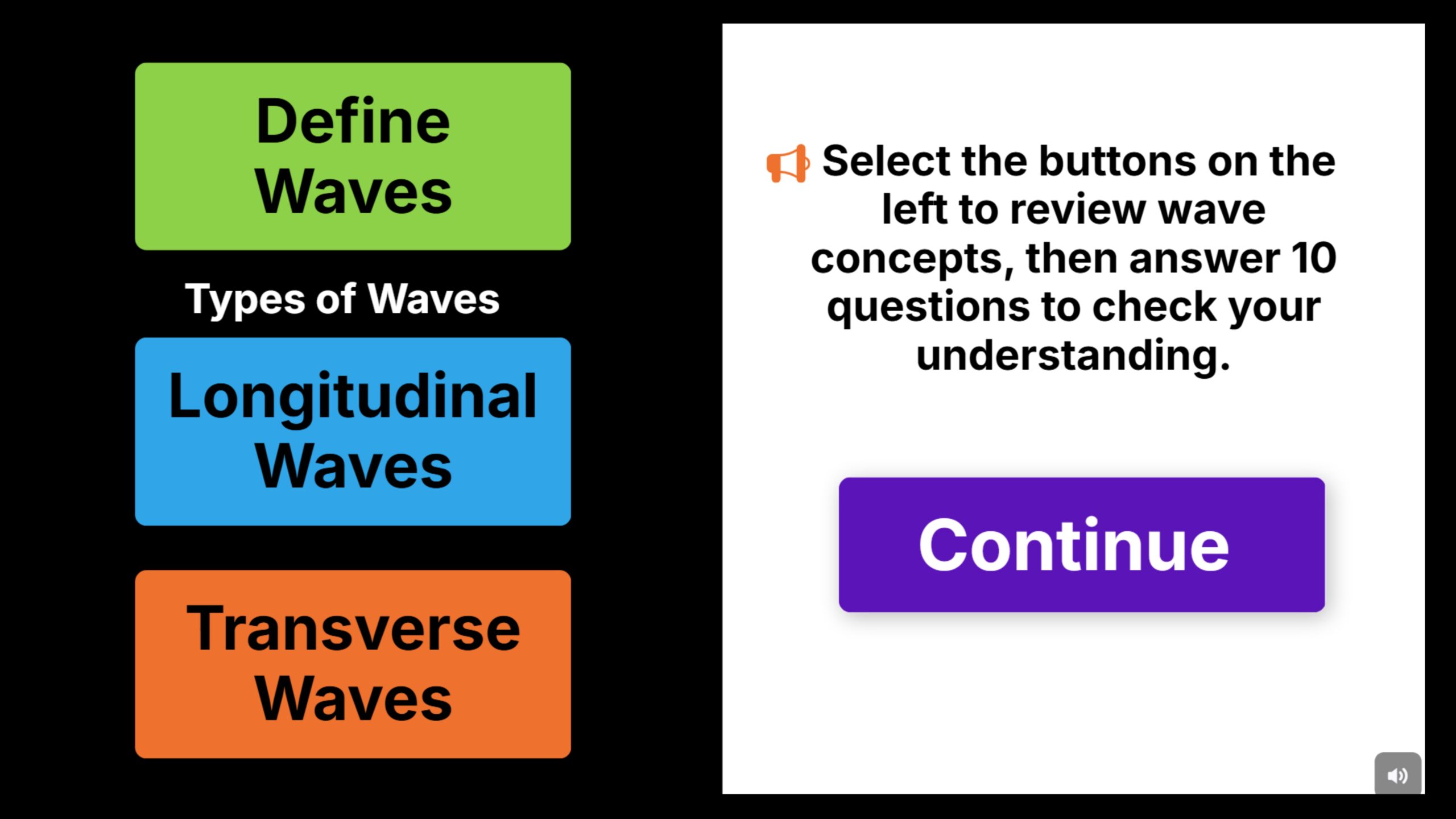
This short review defines waves, longitudinal waves, and transverse wave.  Students answer 10 quick questions to check their understanding. 

Concepts:

  • Define waves
  • Longitudinal and Transverse Waves
Features
  • Read-Aloud Feature: Users can select a button to have the text read aloud.
  • Screenshot Signature Page: Users can sign and screenshot the final page for proof of completion.
Interactive
The Great Light
Escape Room
Concepts

Concepts:

  • The Great Light Escape Room is an interactive, nonlinear digital escape activity where students explore the science of light through puzzles, videos, and code challenges. As they “escape” the virtual room, students investigate reflection, refraction, the visible light spectrum, transparency, translucence, and opacity.
Features


  • Screenshot Signature Page: Users can sign and screenshot the final page for proof of completion.
Interactive
Mechanical Waves
Escape Room
Mechanical Waves Escape Room
Concepts

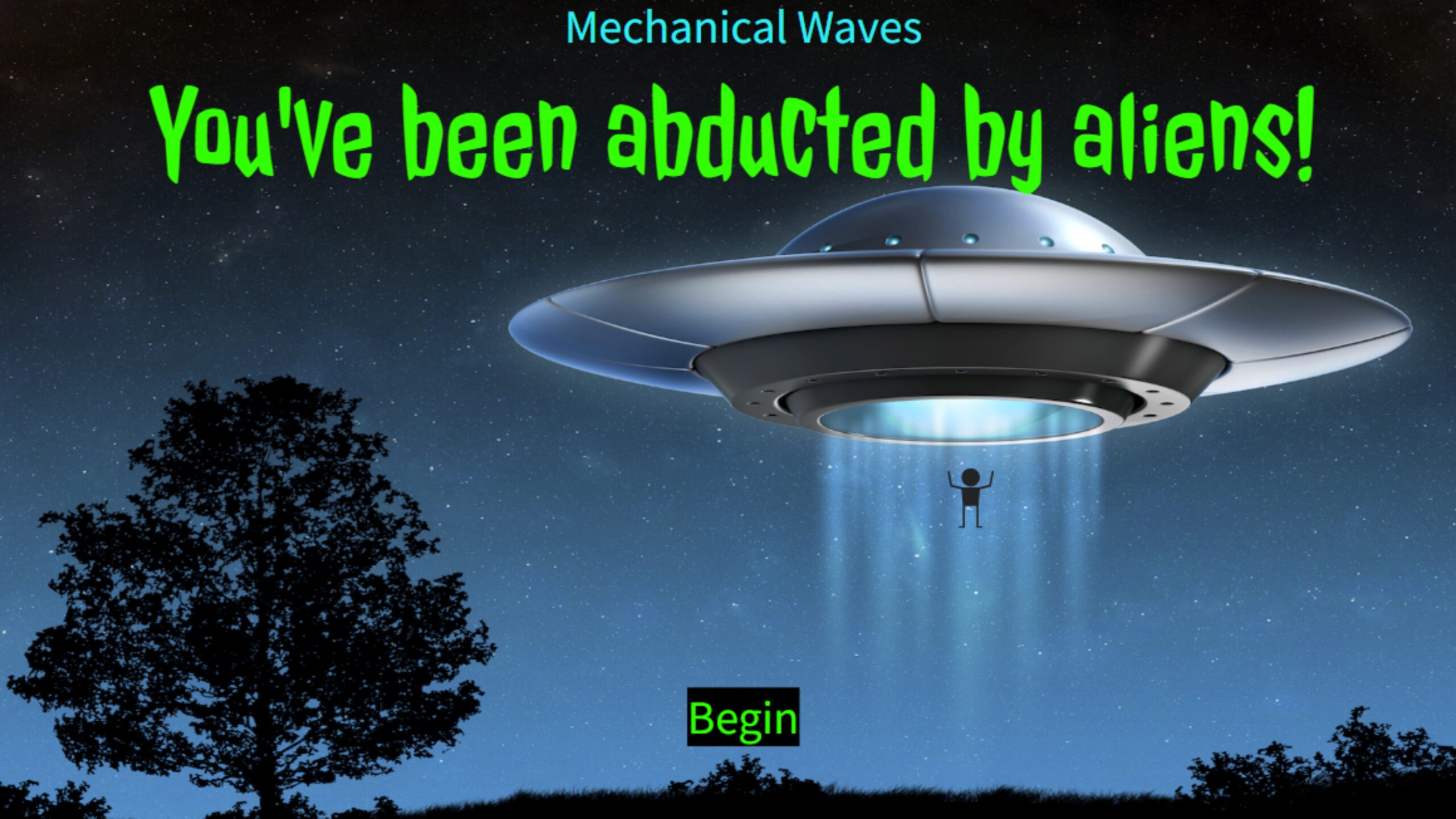
Students are abducted by aliens and must use PhET wave simulations to understand wave properties and how waves carry energy. Each challenge unlocks codes that lead to the escape pod and a way home.

 
Features
Additional Resources
Interactive
Electromagnetic Waves
Escape Room
Electromagnetic Waves Escape Room
Concepts

Ditto needs help communicating with his ship so he can get back to his friends. Use PhET’s Waves simulations and your understanding of electromagnetic waves to help Ditto get home!

  • Wavelength, Frequency, Amplitude
  • Electromagnetic waves
  • Visible light
  • Uses of EM waves
  • Communication using radio waves and binary code
Features
Additional Resources


Interactive
Frequency & Wavelength
CER
CER Waves
Concepts

Concepts:

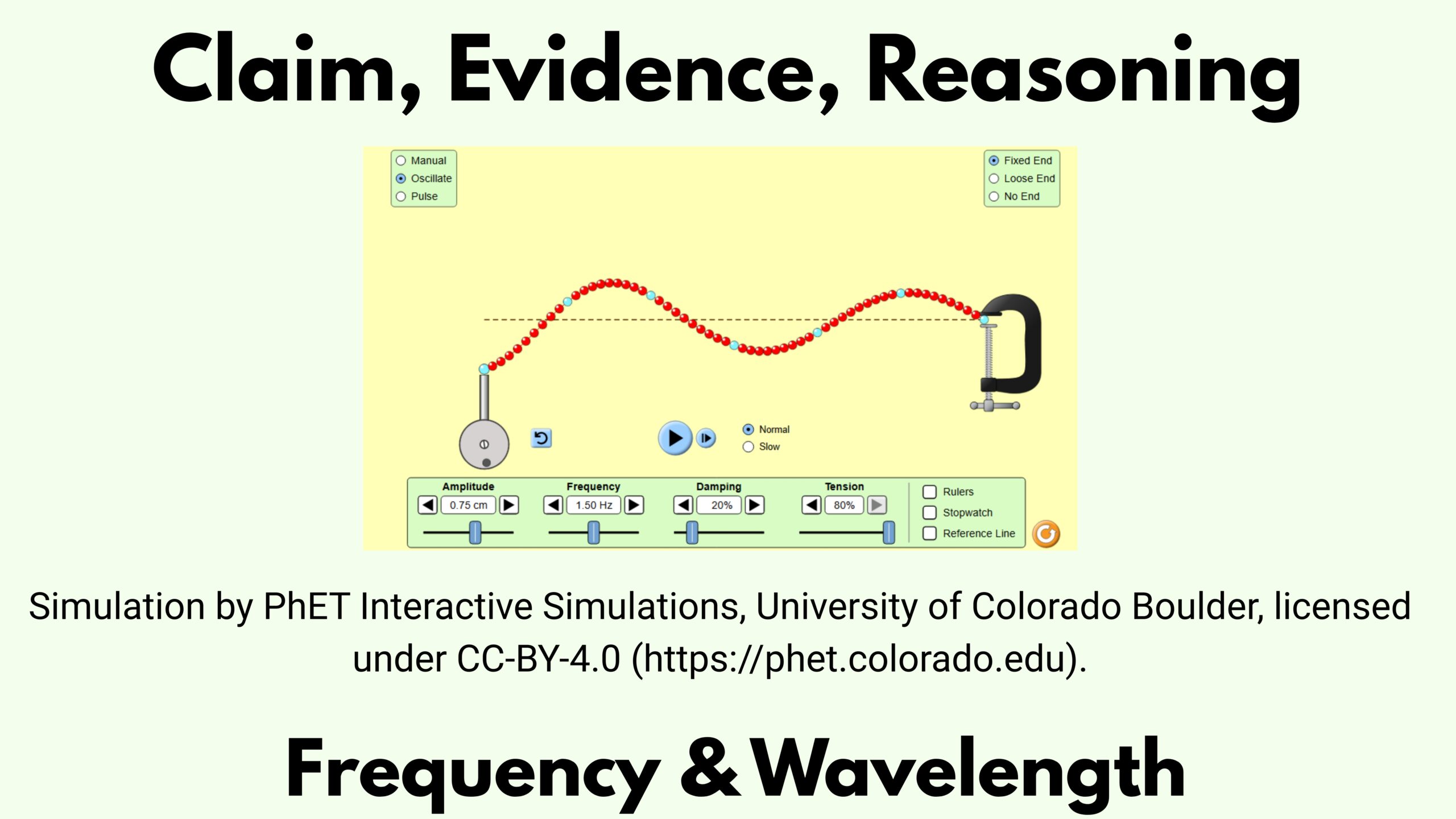
  • Use PhET’s Wave on a String Simulation to investigate how increasing the frequency of a wave affects its wavelength.
Features
Mini-Challenges
Wave Properties,
Behaviors, and Uses
Waves Mini-Challenges
Concepts

These mini-challenges have students identify and label wave properties, interpret sound wave patterns, sort how waves interact with materials (transmit/reflect/refract), organize electromagnetic waves by type and description, and decode messages using digital 0–1 wave signals.

MS-PS4-2: Develop and use a model to describe that waves are reflected, absorbed, or transmitted through various materials.

Bell Ringers
Waves Phenomena and Questions
Waves Bell Ringers
Concepts

These bell ringer presentations include dozens of real-world phenomena that connect directly to key waves concepts.

  • Observe and Wonder
  • Properties of Waves
  • Light Waves
Simulation
Harp Sound Waves
with CER
Harp Simulation
Concepts

Pluck the harp strings of different lengths to gather evidence for the CER question: How does string length affect the pitch (frequency) of the sound produced?

Simulation
Digital
Signals
Binary Code Simulation
Concepts

This simulation lets you switch 0s and 1s in an 8-bit code. As the code changes, the digital wave updates above and the symbol the code represents appears below.

Interactive
Waves
Review
Waves Review
Concepts

This short review defines waves, longitudinal waves, and transverse wave.  Students answer 10 quick questions to check their understanding. 

Concepts:

  • Define waves
  • Longitudinal and Transverse Waves
Features
  • Read-Aloud Feature: Users can select a button to have the text read aloud.
  • Screenshot Signature Page: Users can sign and screenshot the final page for proof of completion.
Interactive
The Great Light
Escape Room
Concepts

Concepts:

  • The Great Light Escape Room is an interactive, nonlinear digital escape activity where students explore the science of light through puzzles, videos, and code challenges. As they “escape” the virtual room, students investigate reflection, refraction, the visible light spectrum, transparency, translucence, and opacity.
Features


  • Screenshot Signature Page: Users can sign and screenshot the final page for proof of completion.
Interactive
Mechanical Waves
Escape Room
Mechanical Waves Escape Room
Concepts

Students are abducted by aliens and must use PhET wave simulations to understand wave properties and how waves carry energy. Each challenge unlocks codes that lead to the escape pod and a way home.

 
Features
Additional Resources
Interactive
Electromagnetic Waves
Escape Room
Electromagnetic Waves Escape Room
Concepts

Ditto needs help communicating with his ship so he can get back to his friends. Use PhET’s Waves simulations and your understanding of electromagnetic waves to help Ditto get home!

  • Wavelength, Frequency, Amplitude
  • Electromagnetic waves
  • Visible light
  • Uses of EM waves
  • Communication using radio waves and binary code
Features
Additional Resources


Mini-Challenges
Wave Properties,
Behaviors, and Uses
Waves Mini-Challenges
Concepts

These mini-challenges have students identify and label wave properties, interpret sound wave patterns, sort how waves interact with materials (transmit/reflect/refract), organize electromagnetic waves by type and description, and decode messages using digital 0–1 wave signals.

MS-PS4-3: Integrate qualitative scientific and technical information to support the claim that digitized signals are a more reliable way to encode and transmit information than analog signals.

Bell Ringers
Waves Phenomena and Questions
Waves Bell Ringers
Concepts

These bell ringer presentations include dozens of real-world phenomena that connect directly to key waves concepts.

  • Observe and Wonder
  • Properties of Waves
  • Light Waves
Simulation
Digital
Signals
Binary Code Simulation
Concepts

This simulation lets you switch 0s and 1s in an 8-bit code. As the code changes, the digital wave updates above and the symbol the code represents appears below.

Interactive
Electromagnetic Waves
Escape Room
Electromagnetic Waves Escape Room
Concepts

Ditto needs help communicating with his ship so he can get back to his friends. Use PhET’s Waves simulations and your understanding of electromagnetic waves to help Ditto get home!

  • Wavelength, Frequency, Amplitude
  • Electromagnetic waves
  • Visible light
  • Uses of EM waves
  • Communication using radio waves and binary code
Features
Additional Resources


Interactive
Electromagnetic Waves
Escape Room
Concepts & Standards

Concepts:

  • The cellphones in your town have all been stolen!  Using radio waves and binary code, the thief sends you the information needed to find everyone’s cellphones and be the town hero.

Standards:

  • NGSS MS-PS4-3
  • Virginia SOL PS.7b
  • TEKS S.8.8.B
Features
  • Screenshot Signature Page: Users can sign and screenshot the final page for proof of completion.
Additional Resources
Mini-Challenges
Wave Properties,
Behaviors, and Uses
Waves Mini-Challenges
Concepts

These mini-challenges have students identify and label wave properties, interpret sound wave patterns, sort how waves interact with materials (transmit/reflect/refract), organize electromagnetic waves by type and description, and decode messages using digital 0–1 wave signals.