Science Data Analysis Collection

New Resource — Teacher Feedback Welcome!
These Gradual Graph Reveal activities are a new addition to VST, built from feedback from hundreds of teachers. We’re continuing to improve them and would love your ideas.


👉 Share feedback: Google Form

The Science Data Analysis Collection includes ready-to-use, graph-based activities.


Click a graph title to expand the accordion and preview the graph. Each accordion section includes three separate activities, one for each Depth of Knowledge (DoK) level: DoK 1, DoK 2, and DoK 3.


Select an activity to open it in a new tab. From the student-facing page, you can copy the page URL from the browser or use the Embed button in the bottom-left corner to embed the activity directly into your LMS.


What is DoK?
Depth of Knowledge (DoK) describes the level of thinking required for a task, ranging from basic graph reading (DoK 1) to pattern interpretation (DoK 2) to written scientific reasoning (DoK 3).

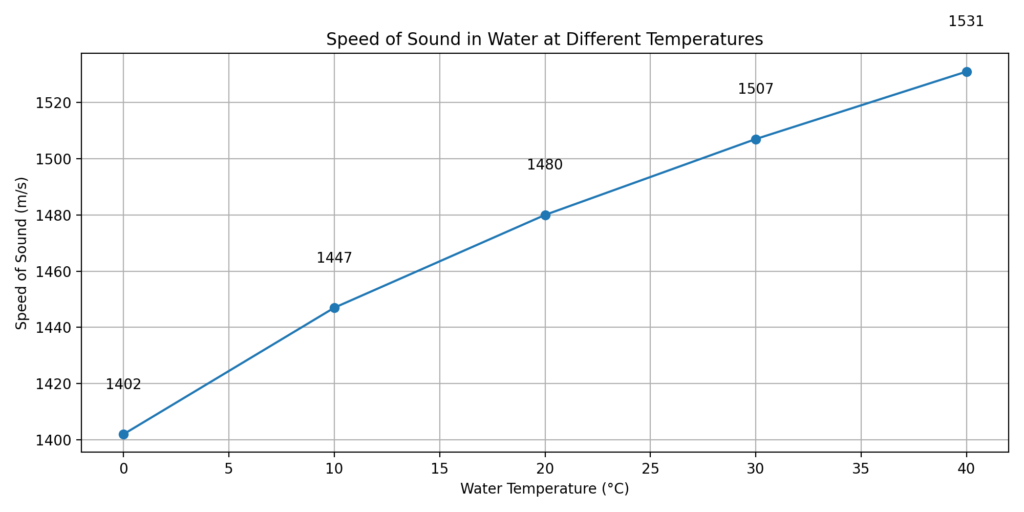
Line graph titled “Speed of Sound in Water at Different Temperatures.” The graph shows water temperature on the x-axis, measured in degrees Celsius, and the speed of sound on the y-axis, measured in meters per second (m/s). As water temperature increases from 0°C to 40°C, the speed of sound increases steadily from about 1400 m/s to about 1530 m/s. The graph shows an upward trend, indicating that sound travels faster in warmer water.

Select a data analysis activity to launch in a new window.  

Step-by-Step

Graph Reveal

Class Discussion

Activity

DoK 1

Graph Reading

5 multiple-choice questions

(auto-graded)

DoK 2

Interpreting Patterns

5 multiple-choice questions

(auto-graded)

DoK 3

Claim, Evidence, Reasoning

Free response

(not auto-graded)

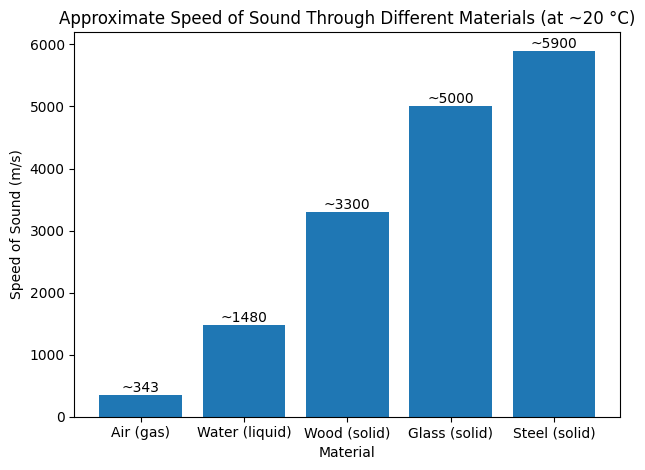
Bar graph comparing the approximate speed of sound in different materials. Sound travels slowest in air, faster in water, and fastest in solids such as wood, glass, and steel.

Select a data analysis activity to launch in a new window.  

Gradual

Graph Reveal

Class Discussion

Activity

DoK 1

Graph Reading

5 auto-graded multiple-choice questions

DoK 2

Interpreting Patterns

5 auto-graded multiple-choice questions

DoK 3

Claim, Evidence, Reasoning

Written response (not auto-graded)

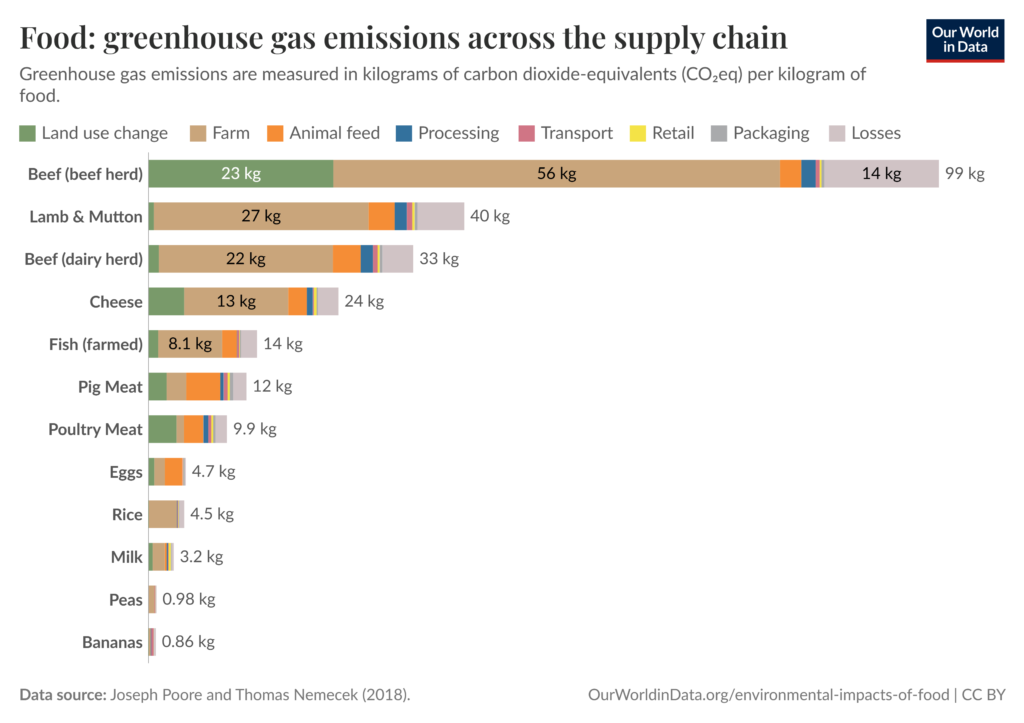
Horizontal bar graph titled “Food: greenhouse gas emissions across the supply chain.” The graph shows greenhouse gas emissions measured in kilograms of CO₂-equivalents per kilogram of food for different food products. Each bar is divided into colored sections representing stages of the food supply chain: land use change, farming, animal feed, processing, transport, retail, packaging, and losses. Beef from beef herds has the highest total emissions at about 99 kg CO₂e per kilogram, followed by lamb and mutton at about 40 kg, and beef from dairy herds at about 33 kg. Cheese is about 24 kg, farmed fish about 14 kg, pig meat about 12 kg, and poultry meat about 9.9 kg. Plant-based foods have much lower emissions, including eggs at about 4.7 kg, rice at 4.5 kg, milk at 3.2 kg, peas at 0.98 kg, and bananas at 0.86 kg. For most foods, farming and land use change contribute the largest share of emissions, while transport and packaging contribute much smaller amounts.

Select a data analysis activity to launch in a new window.  

Gradual

Graph Reveal

Class Discussion

Activity

DoK 1

Graph Reading

5 multiple-choice questions

(auto-graded)

DoK 2

Interpreting Patterns

5 multiple-choice questions

(auto-graded)

DoK 3

Claim, Evidence, Reasoning

Written response 

(not auto-graded)

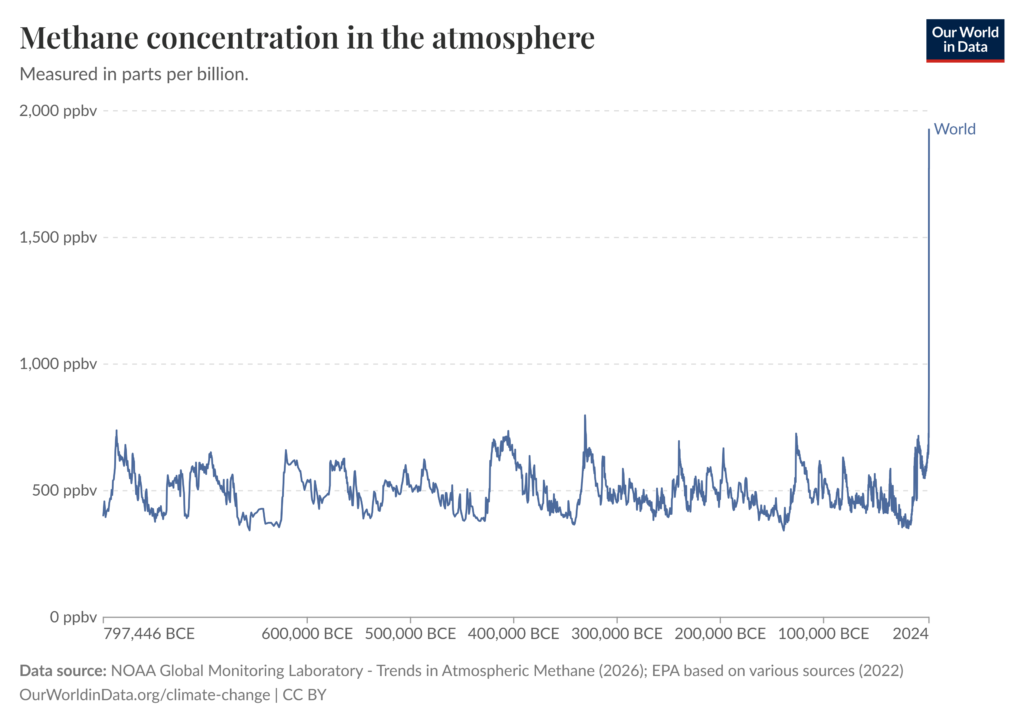
A line graph showing atmospheric methane concentration in parts per billion from about 800,000 years ago to 2024. Methane levels remain relatively stable for most of the timeline and then rise sharply in modern times.

Select a data analysis activity to launch in a new window.  

Gradual

Graph Reveal

Class Discussion

Activity

DoK 1

Graph Reading

5 multiple-choice questions

(auto-graded)

DoK 2

Interpreting Patterns

5 multiple-choice questions

(auto-graded)

DoK 3

Claim, Evidence, Reasoning

Written response

(not auto-graded)