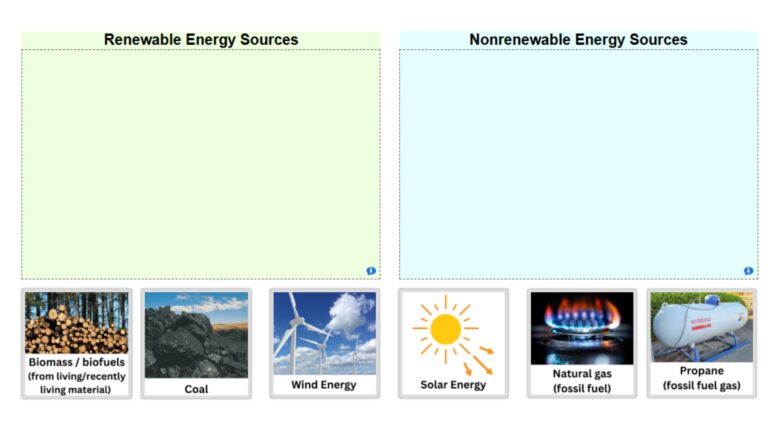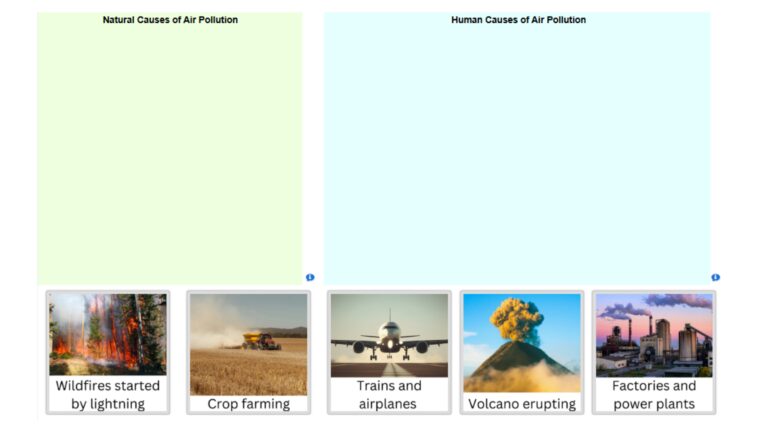
These 5th Grade Virginia Science SOL vocabulary review activities are mini-challenges—short, auto-graded tasks that give students quick checks for understanding with immediate feedback.
You can easily add any of these activities to your LMS in just a few clicks. Simply open an activity, scroll to the bottom, and use Embed (Canvas or Schoology) or Share the Link (Google Classroom). Students can retry the activity until they are successful, then submit a screenshot of their score for credit. Google Form: Suggest a Mini-Challenge Topic or Activity
Scientific and Engineering Practices
VA SOL 5.1
The student will demonstrate an understanding of scientific and engineering practices by:
a) asking questions and defining problems
ask testable questions based on observations and predict reasonable outcomes based on patterns
develop hypotheses as cause-and-effect relationships
define design problems that can be solved through the development of an object, tool, process, or system
b) planning and carrying out investigations
collaboratively plan and conduct investigations to produce data
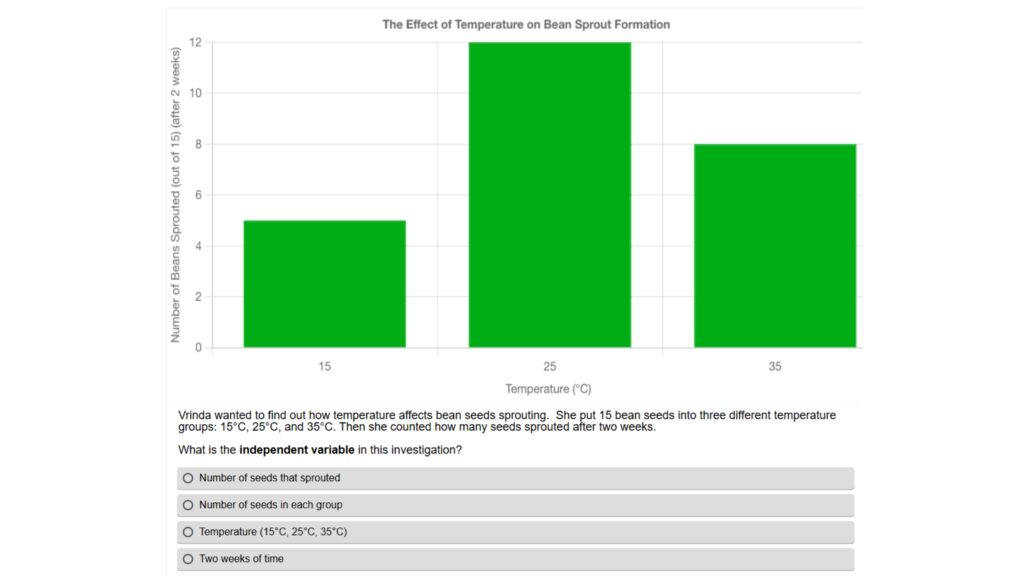
identify independent variables, dependent variables, and constants
determine data that should be collected to answer a testable question
take metric measurements using appropriate tools
use tools and/or materials to design and/or build a device that solves a specific problem
c) interpreting, analyzing, and evaluating data
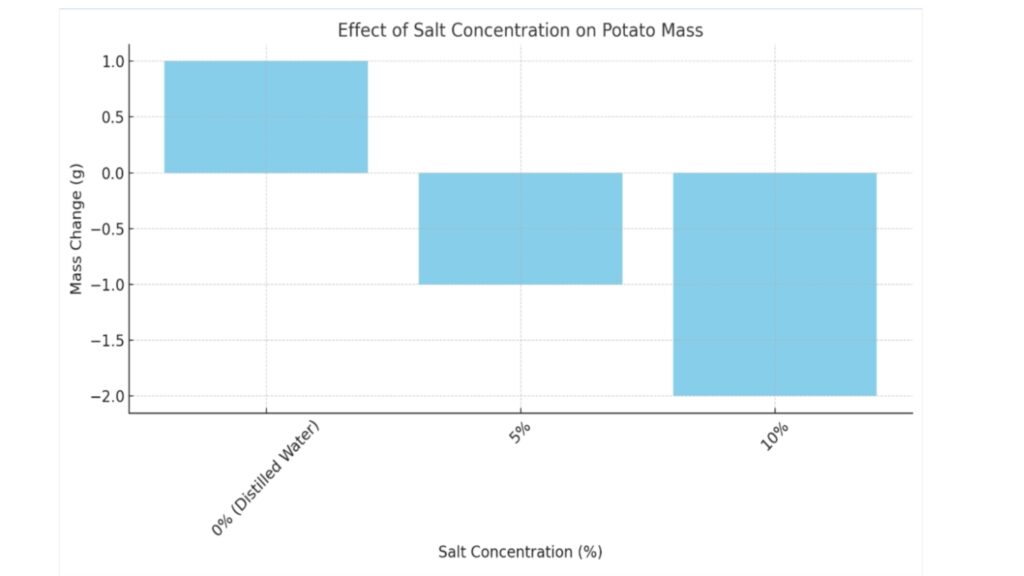
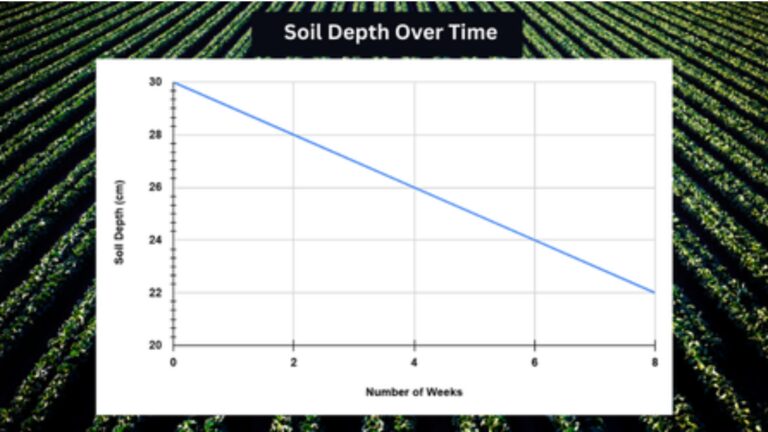
represent and analyze data using tables and graphs
organize simple data sets to reveal patterns that suggest relationships
compare and contrast data collected by different groups and discuss similarities and differences in their findings
use data to evaluate and refine design solutions
d) constructing and critiquing conclusions and explanations
construct and/or support arguments with evidence, data, and/or a model
describe how scientific ideas apply to design solutions
generate and compare multiple solutions to problems based on how well they meet the criteria and constraints
e) developing and using models
develop models using an analogy, example, or abstract representation to describe a scientific principle or design solution
identify limitations of models
f) obtaining, evaluating, and communicating information
read and comprehend reading-level-appropriate texts and/or other reliable media
communicate scientific information, design ideas, and/or solutions with others
Key Terms
- observation: information gathered using the senses or tools.
- testable question: a question that can be answered through an investigation or experiment.
- prediction: a statement about what is likely to happen based on observations or patterns.
- pattern: something that repeats or shows a regular trend.
- hypothesis: a possible explanation that can be tested and shows a cause-and-effect relationship.
- cause: something that makes something else happen.
- effect: the result of a cause.
- problem: something that needs to be solved.
- design problem: a problem that can be solved by creating or improving a tool, object, or system.
- investigation: a planned procedure used to collect data and answer a question.
- plan: a set of steps for carrying out an investigation.
- data: information collected during an investigation.
- independent variable: the factor that is changed on purpose in an experiment.
- dependent variable: the factor that is measured or observed in an experiment.
- constant: a factor that stays the same during an experiment.
- measurement: the process of finding the size, amount, or degree of something.
- metric system: a system of measurement that includes units such as meters, liters, and grams.
- tool: an instrument used to measure or build something.
- graph: a visual display of data.
- table: a way to organize data in rows and columns.
- analyze: to examine data carefully to understand it.
- interpret: to explain what data means.
- pattern in data: a trend or repeated result seen in collected data.
- compare: to look at how things are the same.
- contrast: to look at how things are different.
- evidence: data or information that supports a claim.
- conclusion: a statement that explains what was learned from an investigation.
- argument: a claim supported by evidence and reasoning.
- criteria: the requirements a solution must meet.
- constraints: limits such as time, materials, or cost.
- solution: an answer to a problem.
- model: a representation used to explain or show how something works.
- limitation: something a model cannot fully show or explain.
- analogy: a comparison used to explain something.
- communication: sharing information with others.
- scientific explanation: a statement that describes what happened and why based on evidence.
- design solution: a product or process created to solve a problem.
Forms of Energy
VA SOL 5.2
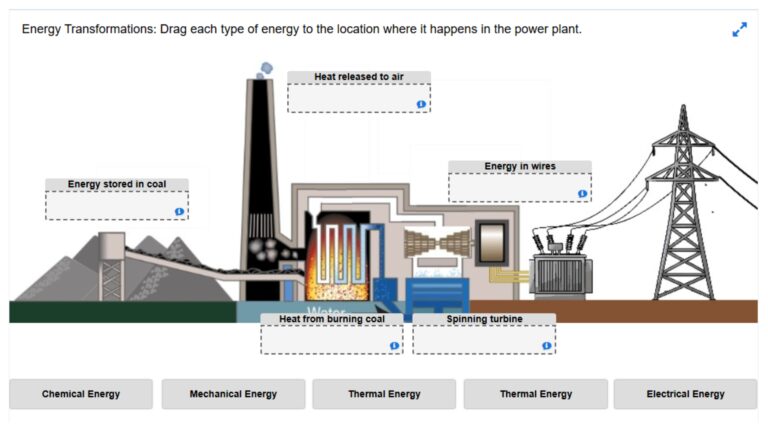
The student will investigate and understand that energy can take many forms. Key ideas include
a) energy is the ability to do work or to cause change;
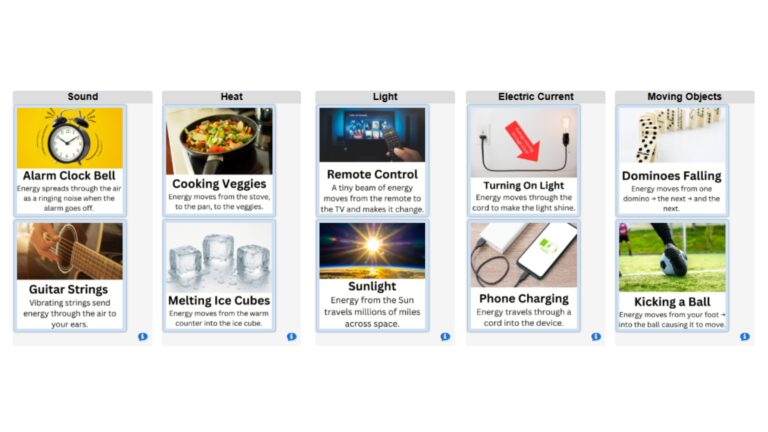
b) there are many different forms of energy;
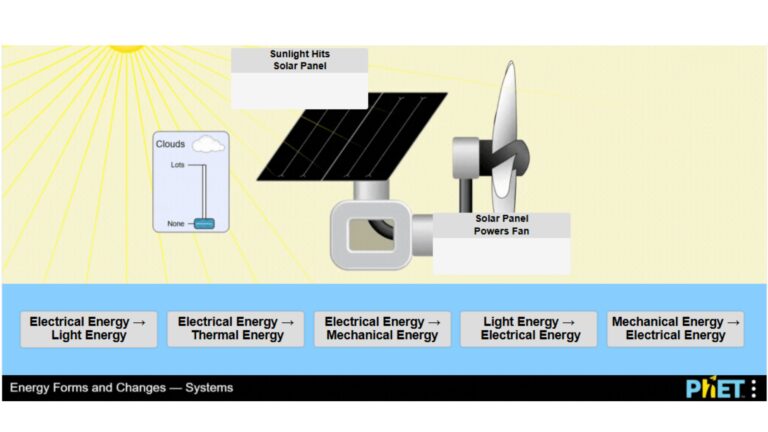
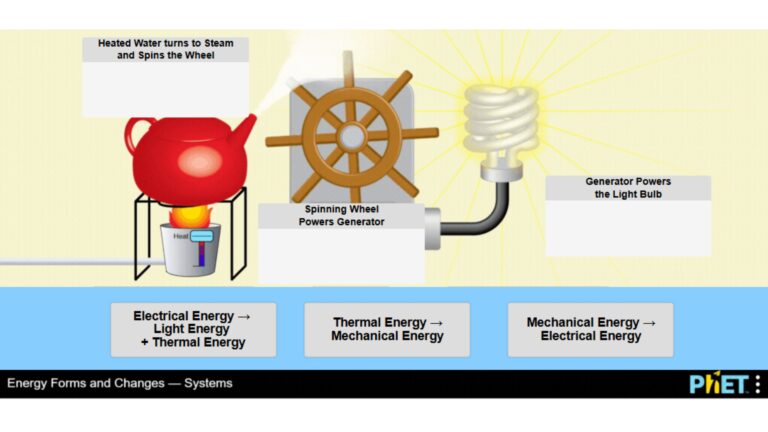
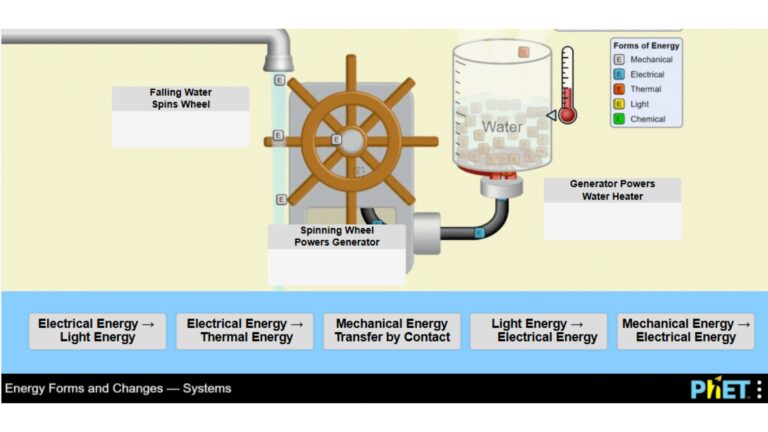
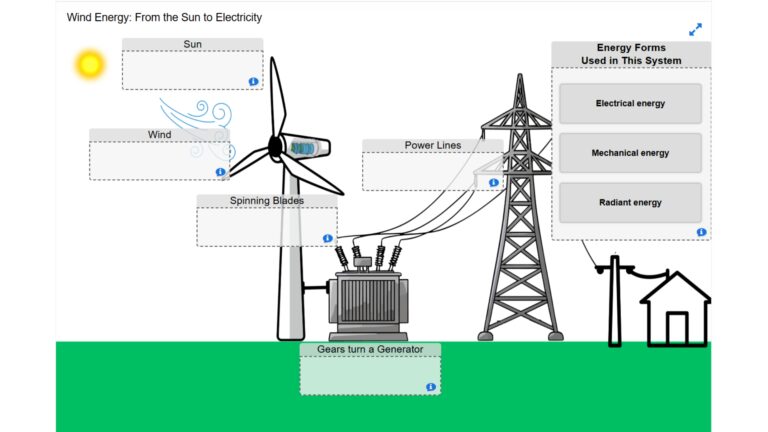
c) energy can be transformed; and
d) energy is conserved.
Key Terms
- energy: the ability to cause change or do work.
- work: when a force moves an object in the direction of the force.
- force: a push or pull on an object.
- motion: the movement of an object from one place to another.
- change: when something becomes different.
- energy transfer: the movement of energy from one place or object to another.
- energy transformation: when energy changes from one form to another.
- energy conservation: the idea that energy cannot be created or destroyed, only changed in form.
- thermal energy: energy that is related to heat.
- radiant energy: energy that travels in waves, such as light from the Sun.
- mechanical energy: energy of moving objects or objects in motion.
- chemical energy: energy stored in substances that is released during a chemical reaction.
- electrical energy: energy that comes from moving electric charges.
- sound energy: energy produced by vibrations that travel through matter.
- light energy: energy that can be seen and travels in waves.
- heat: the transfer of thermal energy from one object to another.
- electric current: the flow of electrical energy through a material.
- contact: when two objects touch and can transfer energy.
- vibration: a rapid back-and-forth motion that produces sound energy.
Force and Energy of Moving Objects
VA SOL 5.3
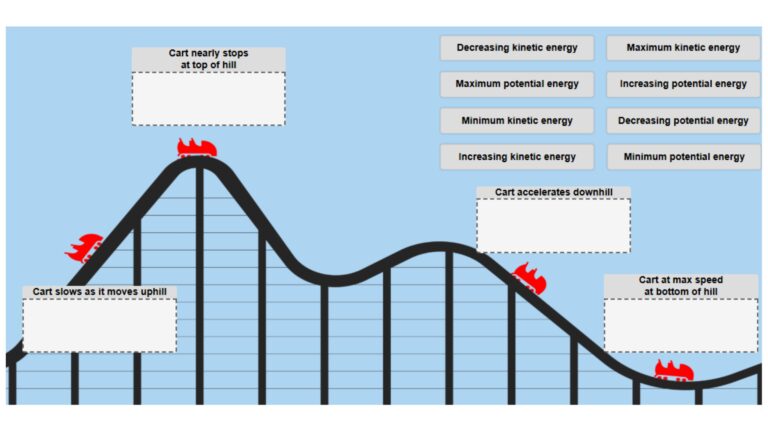
The student will investigate and understand that there is a relationship between force and energy of moving objects.
Key ideas include
a) moving objects have kinetic energy;
b) motion is described by an object’s direction and speed;
c) changes in motion are related to net force and mass;
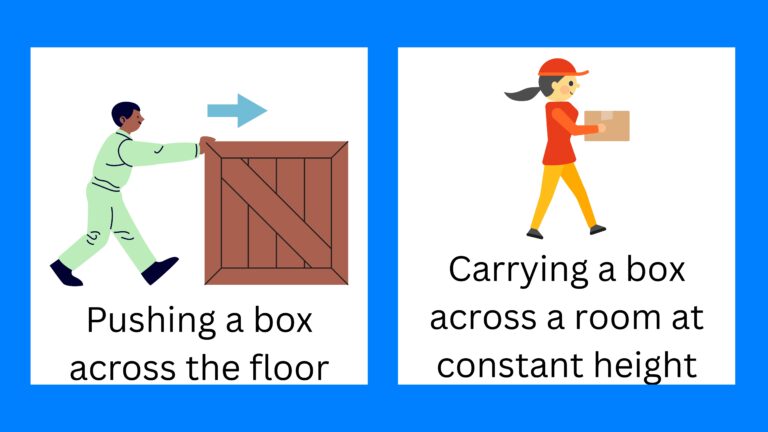
d) when objects collide, the contact forces transfer energy and can change objects’ motion; and
e) friction is a force that opposes motion.
Key Terms
- force: a push or pull that can change an object’s motion.
- motion: the movement of an object from one place to another.
- kinetic energy: the energy an object has because it is moving.
- speed: how fast an object is moving.
- direction: the path an object is moving in.
- mass: the amount of matter in an object.
- net force: the combination of all the forces acting on an object.
- change in motion: a change in an object’s speed, direction, or both.
- collision: when two objects hit or come into contact with each other.
- contact force: a force that occurs when objects touch.
- energy transfer: the movement of energy from one object to another.
- friction: a force that opposes motion and slows objects down.
- rest: when an object is not moving.
- moving object: an object that is changing position.
- push: a force that moves an object away.
- pull: a force that brings an object closer.
- increase in speed: when an object starts moving faster.
- decrease in speed: when an object slows down.
- constant speed: when an object moves at the same speed.
- change in direction: when an object turns or moves a different way.
Electricity
VA SOL 5.4
The student will investigate and understand that electricity is transmitted and used in daily life. Key ideas include
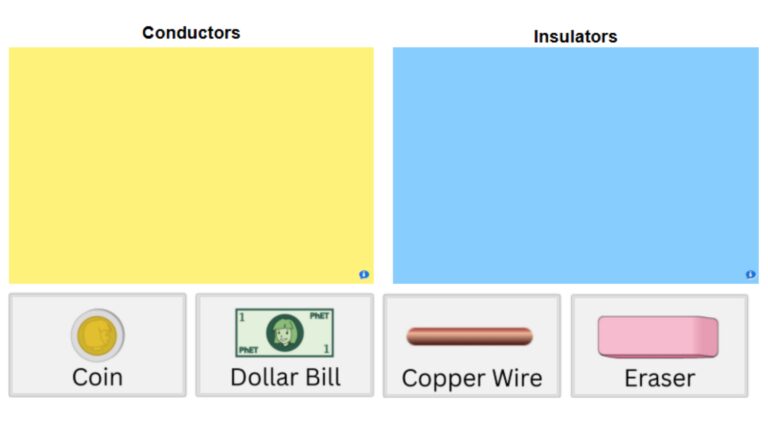
a) electricity flows easily through conductors but not insulators;
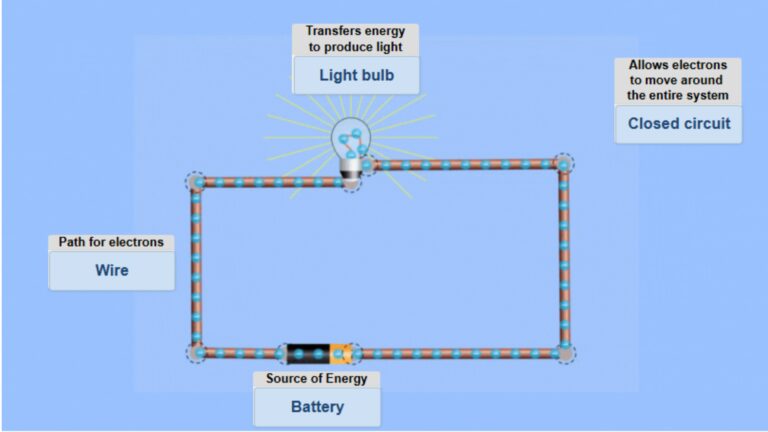
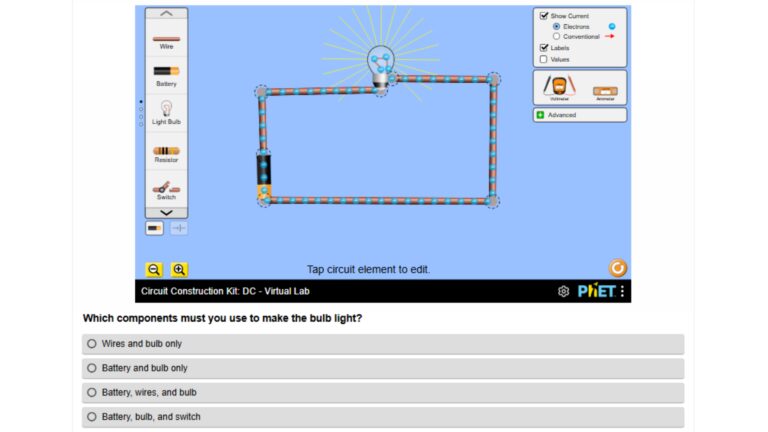
b) electricity flows through closed circuits;
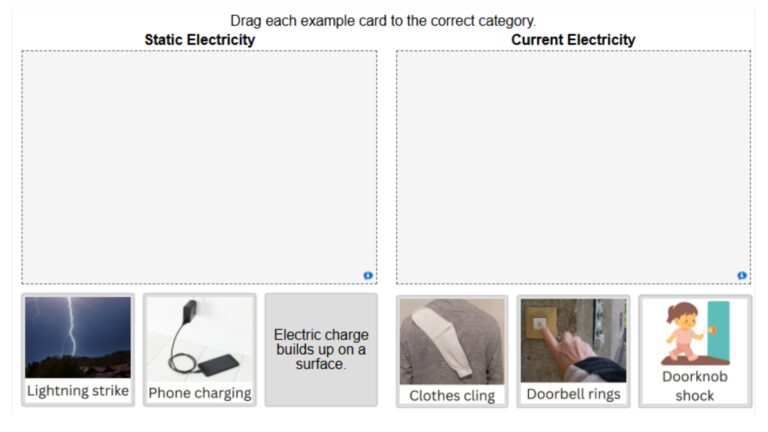
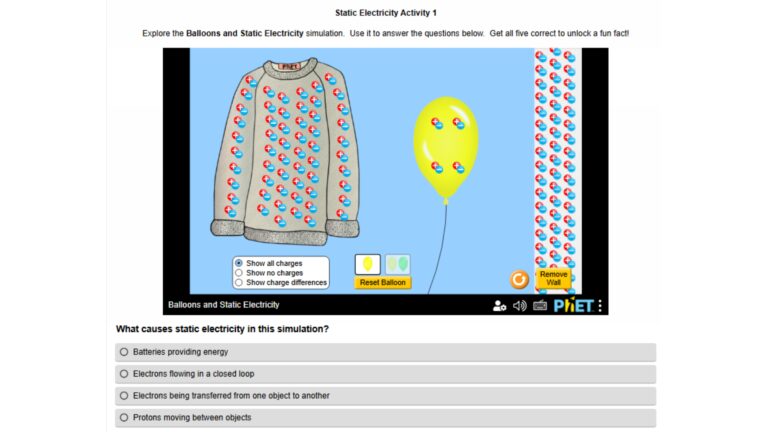
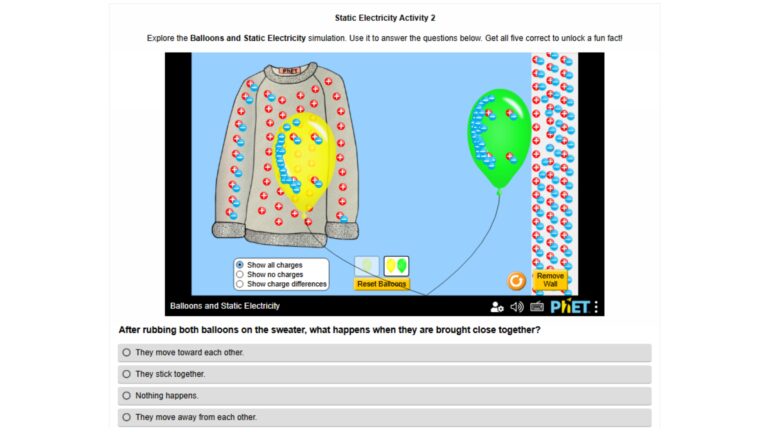
c) static electricity can be generated by rubbing certain materials together;
d) electrical energy can be transformed into radiant, mechanical, and thermal energy; and
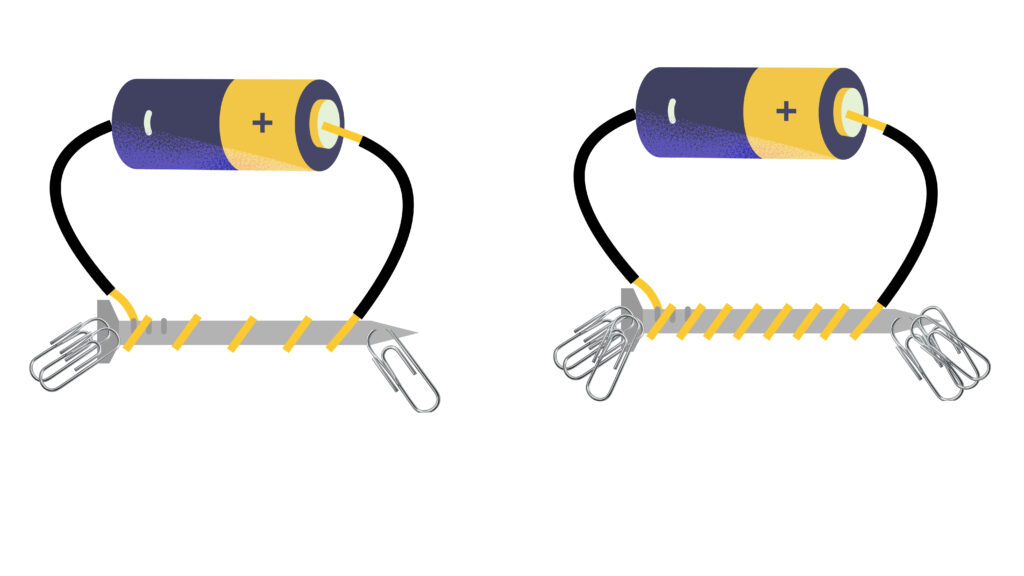
e) a current flowing through a wire creates a magnetic field.
Key Terms
- electricity: a form of energy that flows through materials and can be used to do work.
- static electricity: a buildup of electric charge on an object that can be released when objects come into contact or are rubbed together.
- electric current: the flow of electrical energy through a wire or circuit.
- conductor: a material that allows electricity to flow through it easily.
- insulator: a material that does not allow electricity to flow through it easily.
- circuit: a path through which electricity flows.
- closed circuit: a complete path that allows electricity to flow.
- open circuit: a broken path that does not allow electricity to flow.
- simple circuit: a basic circuit that includes a power source, wires, and a device such as a bulb.
- battery: a source of electrical energy in a circuit.
- wire: a material, usually metal, that carries electrical current.
- bulb: a device that uses electrical energy to produce light.
- static electricity: a buildup of electric charge on an object caused by rubbing materials together.
- electric charge: a property of matter that causes electrical forces.
- energy transformation: when energy changes from one form to another.
- electrical energy: energy that comes from moving electric charges.
- radiant energy: energy that travels as light.
- mechanical energy: energy of motion.
- thermal energy: energy related to heat.
- electromagnet: a magnet made by running electric current through a wire, often wrapped around iron.
- magnetic field: an area around a magnet where magnetic forces can act.
- magnetism: a force that can attract or repel certain materials, such as iron.
- coil: a loop of wire that helps create a stronger magnetic field in an electromagnet.
Sound and Wave Energy
VA SOL 5.5
The student will investigate and understand that sound can be produced and transmitted. Key ideas include
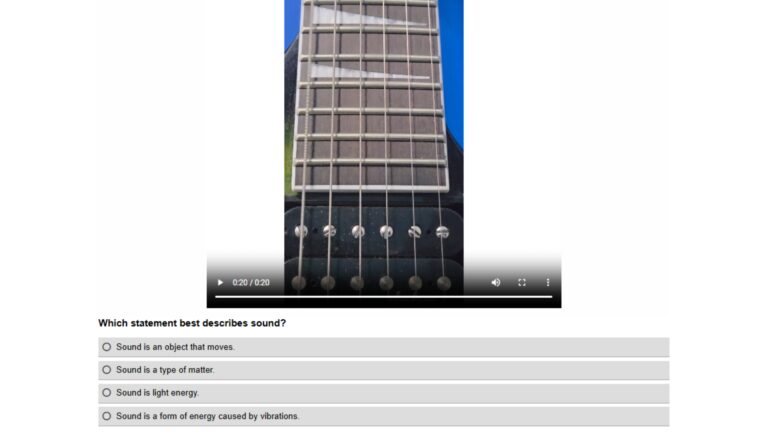
a) sound is produced when an object or substance vibrates;
b) sound is the transfer of energy;
c) different media transmit sound differently; and
d) sound waves have many uses and applications.
Key Terms
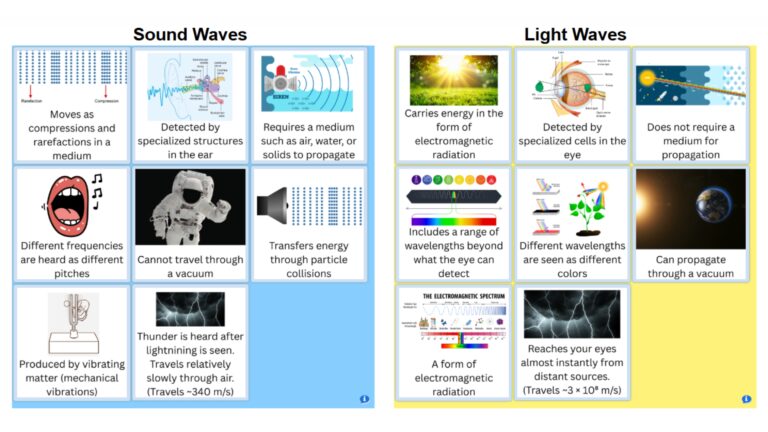
- sound: a form of energy produced by vibrations that travels through matter.
- vibration: a rapid back-and-forth movement of an object.
- energy: the ability to cause change or do work.
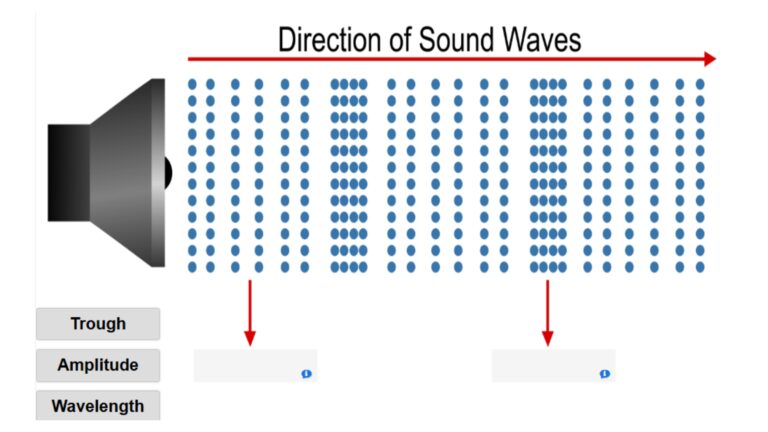
- sound wave: a wave that carries sound energy through a medium.
- medium: the material through which sound travels, such as a solid, liquid, or gas.
- transmit: to send or pass energy from one place to another.
- mechanical energy: energy an object has due to its motion or position.
- compression wave: a wave in which particles are pushed together and spread apart as energy moves through a medium.
- particle: a tiny part of matter that moves and transfers energy when sound travels.
- pitch: how high or low a sound is, based on how fast something vibrates.
- volume: how loud or soft a sound is, based on how much energy the vibration has.
- solid: a state of matter where particles are tightly packed; sound travels fastest through solids.
- liquid: a state of matter where particles are close together but can move; sound travels slower than in solids.
- gas: a state of matter where particles are far apart; sound travels slowest through gases.
- instrument: an object that produces sound through vibration, such as a drum or guitar.
Sound and Wave Energy
VA SOL 5.6
The student will investigate and understand that visible light has certain characteristics and behaves in predictable
ways. Key ideas include
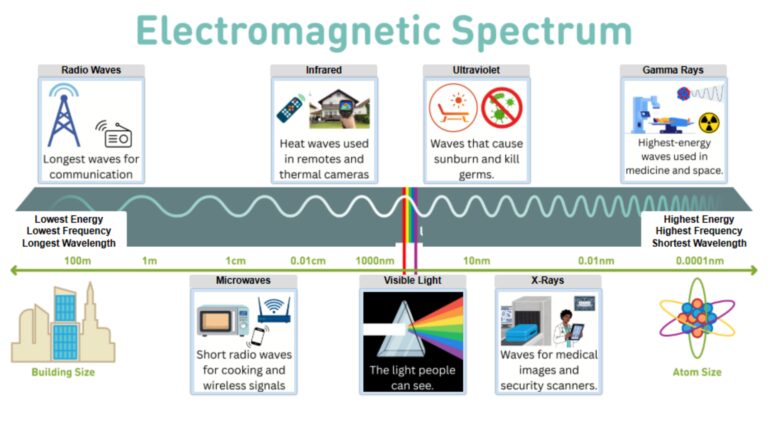
a) visible light is radiant energy that moves in transverse waves;
b) the visible spectrum includes light with different wavelengths;
c) matter influences the path of light; and
d) radiant energy can be transformed into thermal, mechanical, and electrical energy.
Key Terms
- light: a form of energy that can be seen by the human eye.
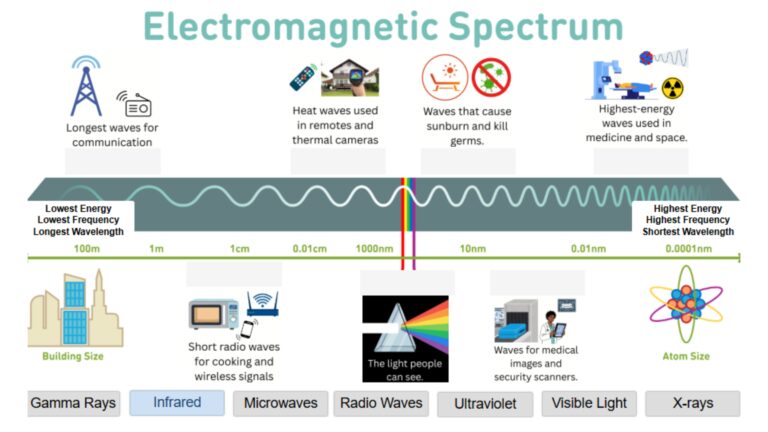
- visible light: the part of light energy that humans can see.
- radiant energy: energy that travels as light and can move through empty space.
- wave: a way energy moves from one place to another.
- transverse wave: a wave where energy moves up and down or back and forth while the wave travels forward.
- wavelength: the distance between repeating parts of a wave, such as crest to crest.
- frequency: how many waves pass a point in a certain amount of time.
- visible spectrum: the range of all colors of light that can be seen by humans.
- color: the appearance of light based on its wavelength.
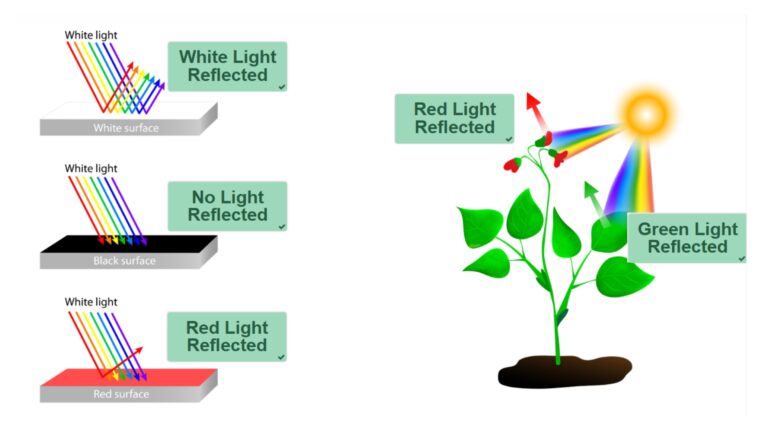
- white light: light made up of all colors in the visible spectrum.
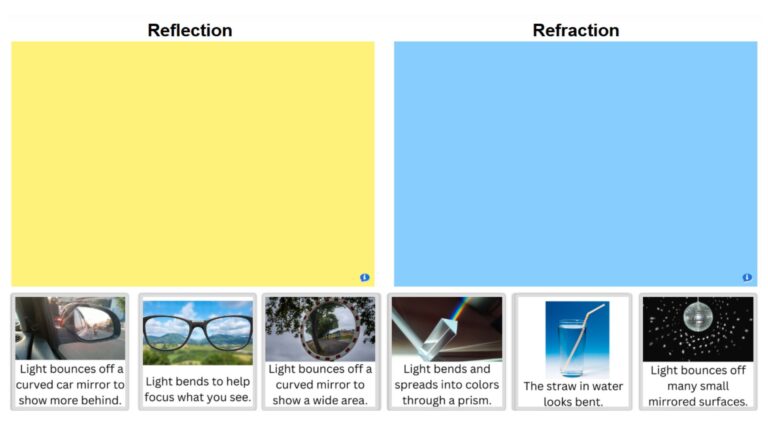
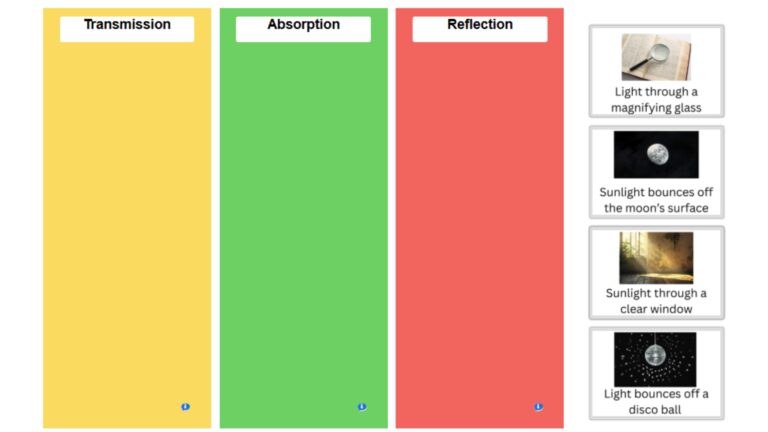
- reflection: when light bounces off a surface.
- refraction: when light bends as it passes from one material to another.
- absorption: when light energy is taken in by a material instead of passing through or reflecting.
- transmission: when light passes through a material.
- transparent: a material that lets most light pass through so objects can be seen clearly.
- translucent: a material that lets some light pass through but does not show clear images.
- opaque: a material that does not let light pass through.
- prism: a transparent object that separates white light into different colors.
- energy transformation: when energy changes from one form to another.
- solar energy: radiant energy from the sun.
Matter
VA SOL 5.7
The student will investigate and understand that matter has properties and interactions. Key ideas include
a) matter is composed of atoms;
b) substances can be mixed together without changes in their physical properties; and
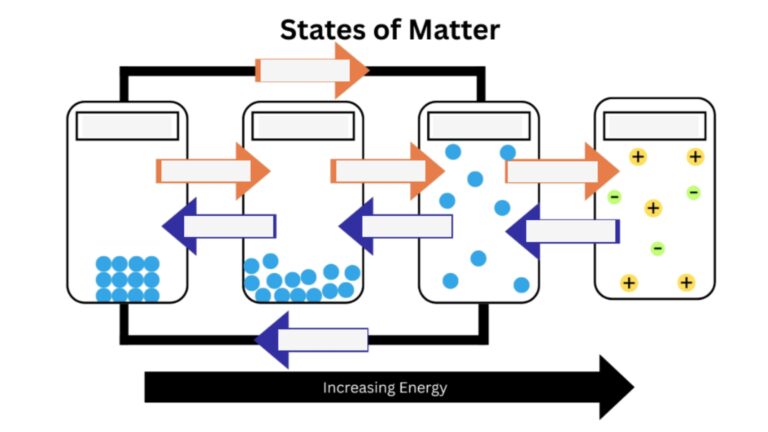
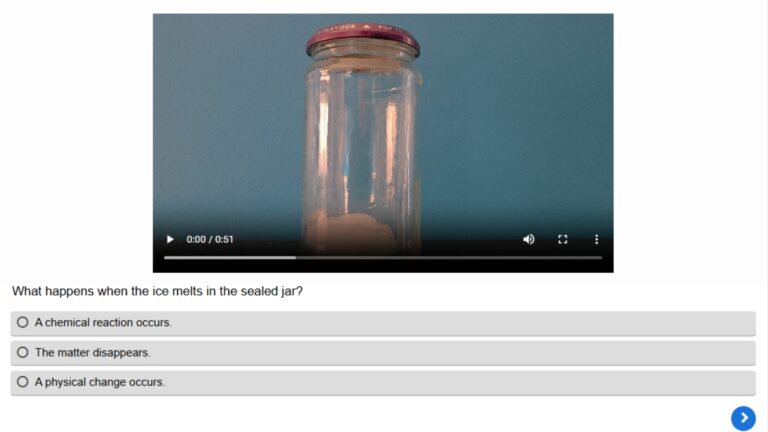
c) energy has an effect on the phases of matter.
Key Terms
- matter: anything that has mass and takes up space.
- mass: the amount of matter in an object.
- volume: the amount of space an object takes up.
- atom: the tiny particle that makes up all matter.
- substance: a type of matter with specific properties.
- property: a characteristic of matter that can be observed or measured.
- mixture: a combination of two or more substances where each keeps its own properties.
- solution: a mixture in which one substance is evenly dissolved in another.
- dissolve: to mix completely into a liquid so the substance seems to disappear.
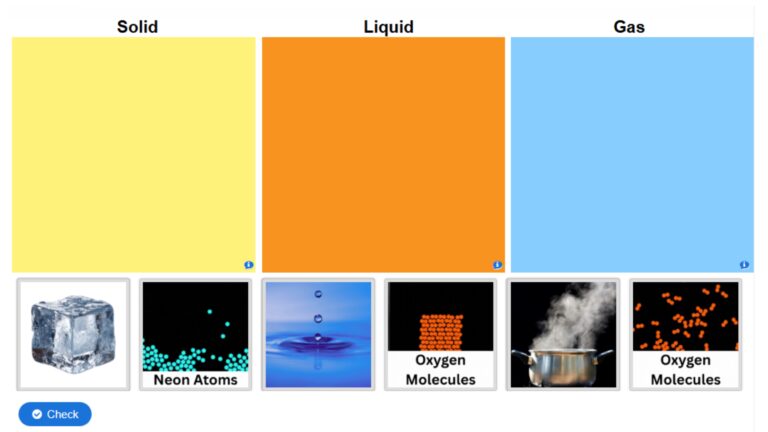
- solid: a state of matter with a definite shape and volume.
- liquid: a state of matter with a definite volume but no fixed shape.
- gas: a state of matter with no definite shape or volume.
- phase change: a change from one state of matter to another, such as solid to liquid.
- temperature: a measure of how hot or cold something is.

Earth Changes and Rock Cycle
VA SOL 5.8
The student will investigate and understand that Earth constantly changes. Key ideas include
a) Earth’s internal energy causes movement of material within the Earth;
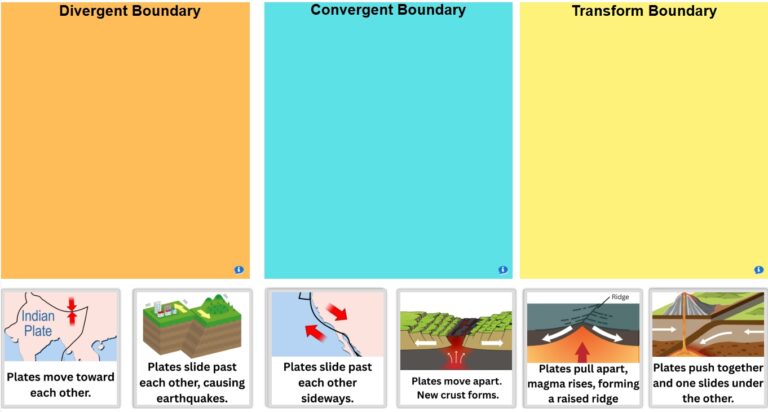
b) plate tectonics describe movement of the crust;
c) the rock cycle models the transformation of rocks;
d) processes such as weathering, erosion, and deposition change the surface of the Earth; and
e) fossils and geologic patterns provide evidence of Earth’s change.
Key Terms
- earth system: all the parts of Earth that interact, including land, water, air, and living things.
- geosphere: the solid Earth, including rocks, soil, and landforms.
- hydrosphere: all the water on Earth, including oceans, rivers, lakes, and ice.
- atmosphere: the layer of gases surrounding Earth.
- biosphere: all living organisms on Earth.
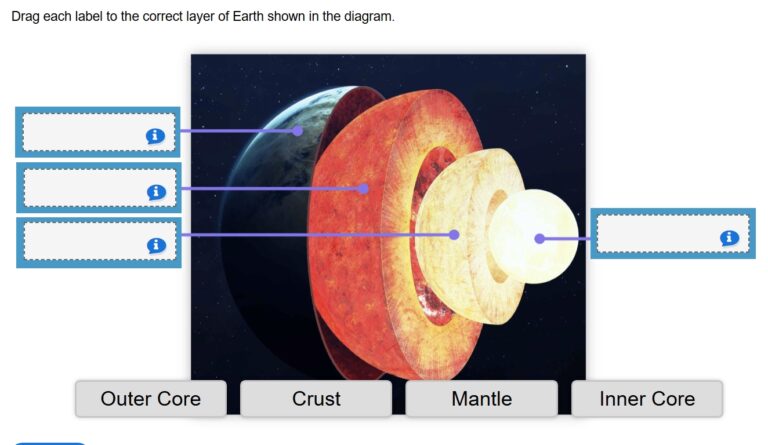
- crust: the thin, outer layer of Earth where we live.
- mantle: the thick layer beneath the crust made of hot, slowly moving rock.
- outer core: the liquid layer beneath the mantle made mostly of iron and nickel.
- inner core: the solid center of Earth made mostly of iron and nickel.
- plate tectonics: the movement of large pieces of Earth’s crust over time.
- plate: a large section of Earth’s crust that moves slowly.
- earthquake: a sudden shaking of the ground caused by movement of Earth’s plates.
- volcano: an opening in Earth’s surface where melted rock, ash, and gases escape.
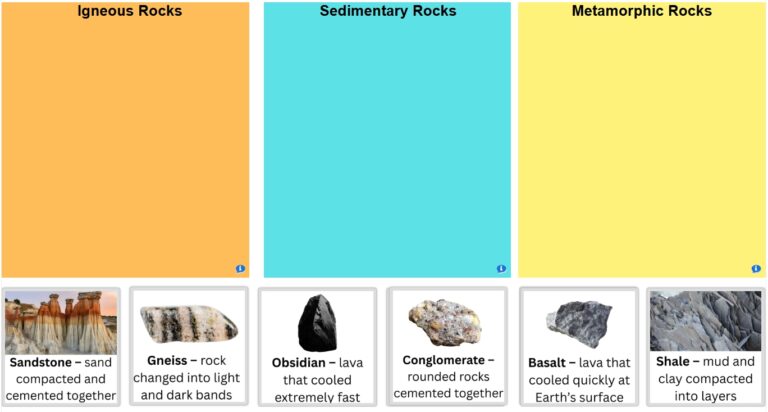
- rock cycle: the continuous process that changes rocks from one type to another.
- igneous rock: rock formed when melted rock cools and hardens.
- sedimentary rock: rock formed from layers of sediment pressed together.
- metamorphic rock: rock changed by heat and pressure.
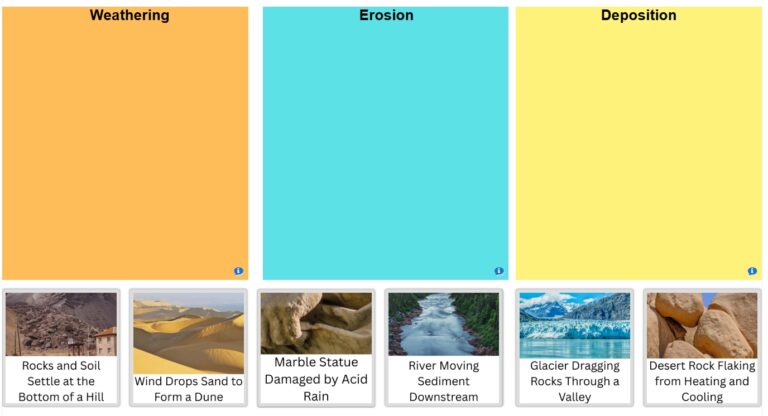
- weathering: the breaking down of rocks into smaller pieces.
- erosion: the movement of weathered materials by water, wind, or ice.
- deposition: the dropping off of sediments in a new location.
- sediment: small pieces of rock, sand, or soil.
- fossil: the preserved remains or traces of a living organism from the past.
Energy Resources and Conservation
VA SOL 5.9
The student will investigate and understand that the conservation of energy resources is important. Key ideas include
a) some sources of energy are considered renewable and others are not;
b) individuals and communities have means of conserving both energy and matter; and
2018 Virginia Science Standards of Learning Curriculum Framework Scientific & Engineering Practices 21
c) advances in technology improve the ability to transfer and transform energy.
Key Terms
- energy resource: a natural source of energy that people use.
- renewable energy: energy from sources that are naturally replaced, such as sunlight, wind, and water.
- nonrenewable energy: energy from sources that cannot be replaced quickly and take millions of years to form.
- fossil fuel: a nonrenewable energy source formed from the remains of ancient plants and animals.
- conservation: the careful use of resources to prevent waste.
- energy conservation: reducing energy use to save resources and protect the environment.
- natural resource: a material or substance found in nature that people use.
- technology: tools and methods used to solve problems or make tasks easier.
- efficiency: using less energy to do the same amount of work.
- pollution: harmful substances released into the environment.
- environment: the surroundings, including all living and nonliving things.